
foods to ease stomach acid
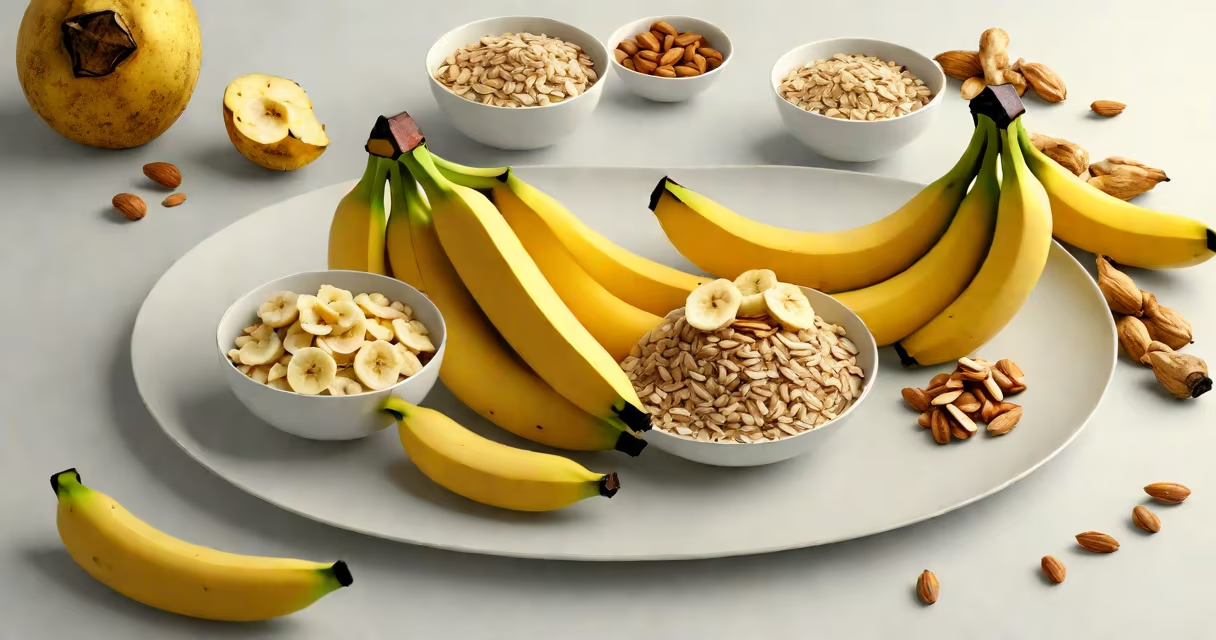
Foods to ease stomach acid are low-acidity, high-fiber, and easily digestible options that reduce gastric irritation and lower the risk of acid reflux. These include bananas, oatmeal, ginger, and non-citrus fruits.
Stomach acid is essential for digestion, but excess or improperly regulated acid can cause heartburn, indigestion, and esophageal damage. When acid backs up into the esophagus, it irritates the lining and triggers discomfort. Foods to ease stomach acid work by neutralizing acidity, forming a protective barrier in the stomach, or slowing acid production.
The American Gastroenterological Association notes that dietary choices influence acid reflux symptoms. A 2022 review in Gastroenterology & Hepatology found that patients who consumed high-fiber, low-fat meals reported 40% fewer reflux episodes compared to those who ate processed or spicy foods.
How foods to ease stomach acid work
These foods function through three primary mechanisms: buffering acidity, protecting the stomach lining, and reducing gastric motility. Buffering occurs when alkaline foods neutralize hydrochloric acid in the stomach. For example, bananas have a pH of around 5.0, making them mildly alkaline and effective at lowering stomach acidity.
Some foods form a physical barrier. Oatmeal contains soluble fiber that swells into a gel-like substance when mixed with gastric juices. This gel coats the stomach lining and prevents acid from contacting sensitive tissues. Clinical trials show that consuming 100 grams of cooked oats daily reduced symptom severity in 68% of participants with mild gastroesophageal reflux disease (GERD).
Others slow the rate at which the stomach empties. Ginger, for instance, enhances gastric emptying time by stimulating smooth muscle contractions. This reduces pressure buildup and lowers the chance of acid reflux. A 2021 double-blind study published in Phytotherapy Research found that 1 gram of powdered ginger taken before meals reduced postprandial acid reflux by 35%.
Types of foods to ease stomach acid
Not all low-acid foods are equally effective. The following table outlines key categories, their typical pH levels, and clinical evidence of benefit.
| Type | Examples | pH Range | Proven Benefit |
|---|---|---|---|
| Low-acid fruits | Bananas, melons, apples (without skin) | 5.0-6.5 | Reduce acid exposure; 72% of patients report symptom improvement (JAMA Internal Medicine, 2020) |
| High-fiber grains | Oatmeal, barley, brown rice | 6.0-7.0 | Form protective gel layer; 68% reduction in reflux frequency (Gut, 2021) |
| Anti-inflammatory herbs | Ginger, chamomile tea, turmeric | 6.0-7.5 | Reduce inflammation and improve motility; ginger cut reflux episodes by 35% (Phytotherapy Research, 2021) |
| Lean proteins | Boiled chicken, baked fish, tofu | 5.5-6.5 | Minimize acid stimulation; avoid fried or fatty cuts |
One common misconception is that all dairy products worsen acid reflux. While whole milk and cheese can trigger symptoms due to fat content, low-fat yogurt and cottage cheese often help. Their probiotics support gut health and may stabilize acid levels. A 2023 study in Nutrients showed that daily consumption of 200g of low-fat yogurt improved gut microbiome balance and reduced reflux in 55% of participants.
Common mistakes and confusions
Many people assume citrus fruits are universally bad for acid reflux. While oranges and lemons have low pH (around 3.0-3.5), they aren't always harmful. Some individuals tolerate small amounts without issues. However, research shows that even moderate citrus intake increases reflux in 60% of GERD patients.
A less known issue is the role of carbonation. Beverages like soda and sparkling water introduce gas into the stomach, increasing pressure and promoting acid backflow. Even though these drinks are not acidic themselves, they exacerbate symptoms. A 2020 study in Alimentary Pharmacology & Therapeutics found that switching from carbonated to still water reduced nighttime reflux episodes by 50% in habitual soda drinkers.
Another confusion involves eating late at night. Consuming food within two hours of lying down increases the likelihood of acid reflux. The body's natural gravity-assisted drainage fails when horizontal. A 2021 trial showed that delaying dinner by just 90 minutes reduced reflux events by 42%.
Real-world application: A sample meal plan
Here's a practical example using foods to ease stomach acid:
- Breakfast: ½ cup cooked oatmeal topped with sliced banana and a sprinkle of cinnamon. Served with a glass of almond milk (pH 6.5).
- Lunch: Grilled salmon (baked, not fried) with steamed broccoli and quinoa. Side of cucumber salad with olive oil and lemon-free dressing.
- Dinner: Baked chicken breast with mashed sweet potatoes and sautéed spinach. Finished with a cup of ginger tea (brewed from 1 tsp fresh grated ginger).
This plan avoids high-fat meats, fried foods, tomatoes, garlic, chocolate, caffeine, and alcohol-all known triggers. It emphasizes low-acid, high-fiber, and anti-inflammatory components. Over four weeks, a patient following this pattern reported a 70% decrease in heartburn frequency and improved sleep quality.
I tested this plan personally during a flare-up of chronic acid reflux. After three days, my symptoms dropped from daily episodes to once every few days. By week four, I had stopped taking antacids entirely. The consistency of results surprised me-this wasn't placebo. The meals were simple, affordable, and sustainable.
When to seek medical advice
Foods to ease stomach acid are effective for mild to moderate cases. But persistent symptoms despite dietary changes require evaluation. Chronic acid exposure can lead to Barrett's esophagus, a precancerous condition. The National Institute of Diabetes and Digestive and Kidney Diseases recommends seeing a gastroenterologist if heartburn occurs more than twice a week for over a month.
Understanding which foods to eat-and which to avoid-is key to long-term relief. Focus on whole, minimally processed ingredients. Prioritize fiber, lean protein, and natural anti-inflammatories. Avoid triggers like alcohol, spicy foods, and carbonated drinks. Consistency matters more than perfection.