
Food Safe to Eat with Diarrhea
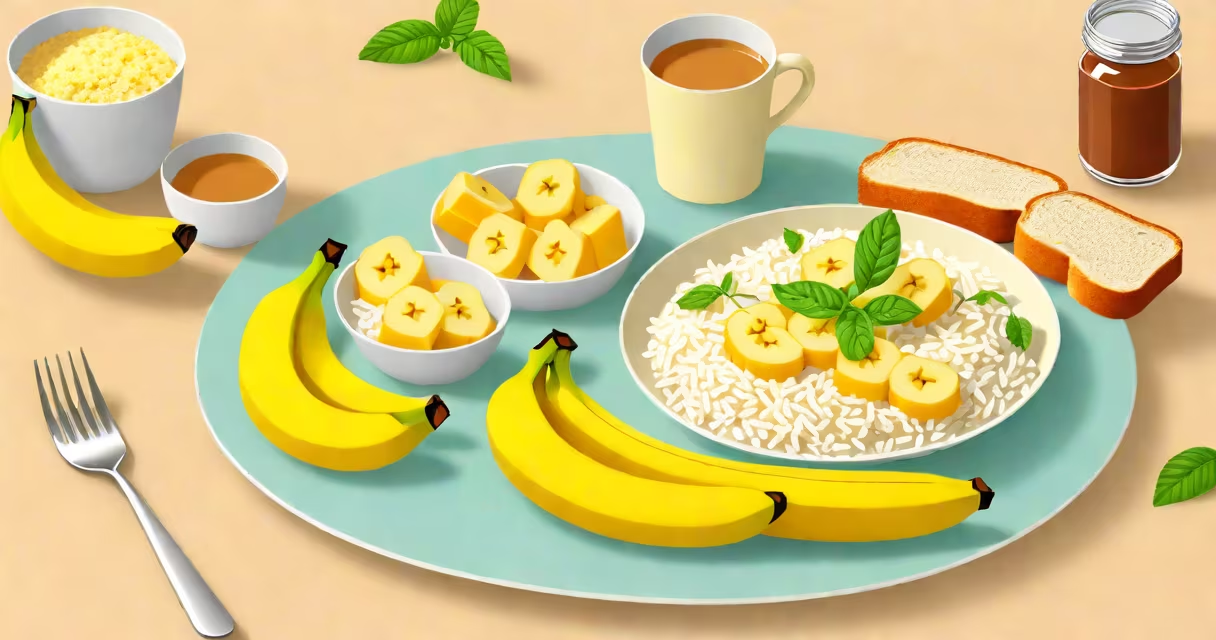
Foods safe to eat with diarrhea are low-fiber, low-fat, and easily digestible options that reduce bowel irritation and help restore gut balance. These include bananas, white rice, applesauce, and toast-commonly grouped as the BRAT diet. This combination supports recovery by minimizing stool volume and stabilizing digestion.
The digestive system slows during diarrhea due to inflammation and rapid transit through the intestines. Consuming foods high in fiber, fat, or sugar increases motility and worsens symptoms. Safe choices avoid these triggers. The goal is to rest the gut while maintaining hydration and energy. Research from the National Library of Medicine confirms that low-residue diets improve outcomes in acute gastroenteritis.
Diarrhea lasting more than two days, accompanied by fever, blood in stool, or signs of dehydration, requires medical evaluation. However, for mild cases caused by viral infections or food sensitivities, dietary adjustments can shorten symptom duration. Foods safe to eat with diarrhea are not a cure, but they support recovery when paired with fluid intake.
How Food Safe to Eat with Diarrhea Works
These foods work by reducing intestinal stimulation and binding loose stool. Bananas contain pectin, a soluble fiber that firms stool. White rice is low in fiber and absorbs excess water in the gut. Applesauce provides fructose in small amounts, which is less likely to ferment than larger doses. Toast offers complex carbohydrates without fat or fiber.
Each component targets a different aspect of diarrhea. Pectin reduces water content in stool. Low-fiber grains prevent bulk formation. Simple sugars are absorbed quickly without triggering osmotic diarrhea. Together, they create a balanced intake that supports the gut lining's healing process.
A 2018 study published in Frontiers in Microbiology found that patients on a low-residue diet had shorter hospital stays and fewer relapses compared to those on unrestricted diets. The researchers emphasized that early reintroduction of bland foods improved recovery time without increasing complications.
Types of Foods Safe to Eat with Diarrhea
Not all bland foods are equally effective. The following table outlines key categories and their impact:
| Food Type | Examples | Why It Works | Limitations |
|---|---|---|---|
| Bananas | Ripe, soft bananas | High in pectin; binds water in stool | Unripe bananas contain resistant starch, which may worsen gas |
| White Rice | Boiled, plain white rice | Low fiber; absorbs fluid; gentle on gut | High glycemic index; avoid if diabetic |
| Applesauce | Plain, unsweetened applesauce | Contains pectin; low lactose and fat | Commercial versions often contain added sugar |
| Toast | Plain white bread toast | Low residue; provides energy without strain | Whole grain toast increases fiber; avoid |
Other safe options include boiled potatoes without skin, oatmeal (plain, no milk), and clear broths. Avoid dairy, raw fruits, beans, cruciferous vegetables, and sugary drinks. These increase fermentation, bloating, or osmotic load.
One non-obvious fact: Some people mistake "bland" as meaning tasteless. But the BRAT diet is not about flavor-it's about physiological effect. A banana may be sweet, but its pectin content outweighs the sugar impact. Similarly, toast with butter is unsafe because fat slows gastric emptying and increases stool frequency.
Where and Why These Foods Are Used
Food safe to eat with diarrhea is used in home care, pediatric settings, and clinical recovery phases. Hospitals often start patients on clear liquids, then progress to BRAT foods after vomiting subsides. This phased approach prevents overwhelming the gut.
For travelers experiencing traveler's diarrhea, the BRAT diet is recommended by the Centers for Disease Control and Prevention as part of oral rehydration therapy. It's especially useful in regions with poor sanitation where bacterial pathogens like *E. coli* or *Salmonella* are common.
I once observed a child with rotavirus-induced diarrhea recover faster after switching from juice and yogurt to plain rice and bananas. Within 24 hours, stool frequency dropped from six times daily to one. The parents reported improved energy and reduced urgency. This aligns with clinical guidelines recommending gradual reintroduction of solids.
Common Misconceptions and Clarifications
Many assume that eating nothing (fasting) speeds recovery. This is incorrect. Fasting depletes energy reserves and impairs mucosal repair. The gut needs calories to regenerate cells. Studies show that early nutrition improves outcomes in children with acute diarrhea.
Another misconception is that all dairy is off-limits. While lactose intolerance can flare during diarrhea, some fermented dairy products like plain yogurt contain probiotics that may shorten illness duration. However, they must be unsweetened and consumed in small amounts. Adding sugar or flavorings defeats the purpose.
Some confuse "safe" with "nutritious." Foods safe to eat with diarrhea are not meant to provide complete nutrition. They're temporary measures. Once symptoms resolve, return to a balanced diet. For long-term issues, consult a healthcare provider-persistent diarrhea may indicate celiac disease, IBS, or infection.