
cat 6 burial cable
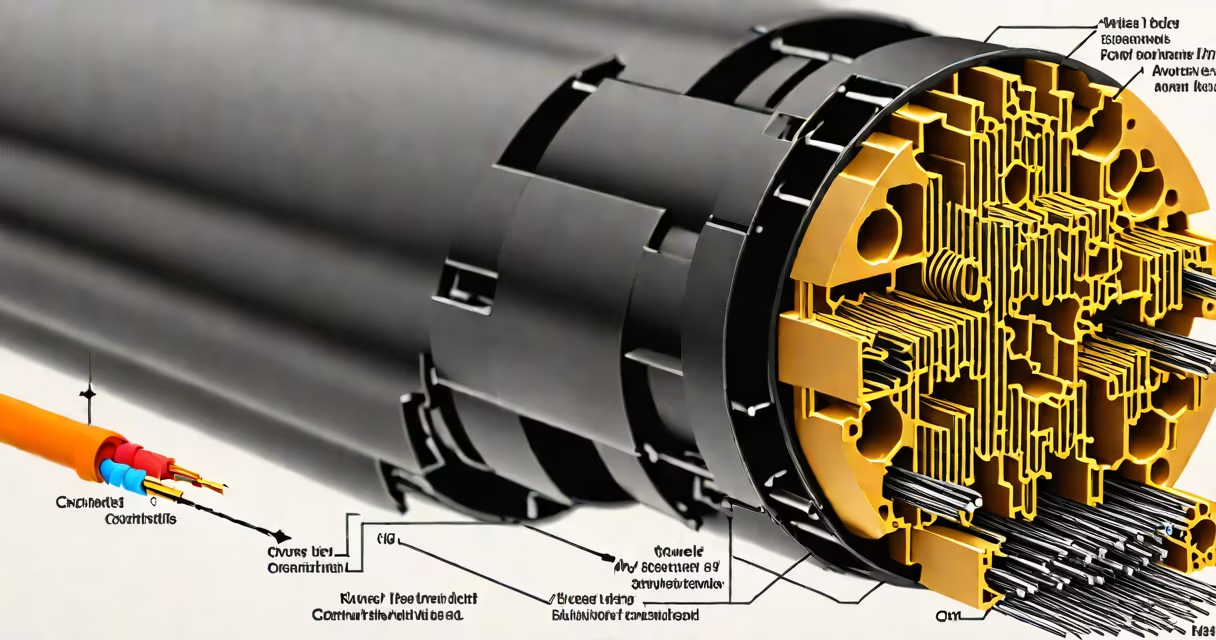
cat 6 burial cable is a shielded twisted pair Ethernet cable engineered for direct installation in soil or buried conduits, delivering reliable high-speed data transmission in outdoor environments.
Unlike standard Cat 6 cable, which is meant for indoor use, cat 6 burial cable features a heavy-duty, UV-resistant outer jacket made of polyethylene or PVC with added armor or moisture barriers. This construction protects the internal conductors from water, soil chemicals, rodent damage, and temperature extremes. The cable supports data speeds up to 10 Gbps over distances up to 55 meters, meeting TIA-568-C.2 standards for performance.
Each pair of wires inside the cable is individually shielded (STP), and the entire bundle may have a foil or braided shield. This shielding reduces electromagnetic interference (EMI) and crosstalk, important for maintaining signal integrity in noisy outdoor settings. Burial-rated cables often include a water-blocking gel or tape around the core to prevent moisture ingress.
How It Works
cat 6 burial cable functions using four twisted pairs of 23 AWG copper conductors. Twisting pairs minimizes crosstalk between signals. The shielding layer reflects external EMI, such as from power lines or radio transmitters, preventing signal degradation. When terminated properly with RJ45 connectors and installed in conduit or directly buried, the cable maintains consistent signal strength over long runs.
Data travels through the cable via differential signaling-two wires in each pair carry opposite polarity signals. A receiver compares the difference between them, rejecting common-mode noise. This method improves signal-to-noise ratio, essential for high-frequency data transmission.
For example, a 100-meter run of cat 6 burial cable connecting a security camera system to a network video recorder (NVR) can reliably transmit 4K video streams at 1 Gbps with minimal packet loss, even in wet, cold, or rocky terrain.
Types and Specifications
There are two primary configurations: armored and unarmored. Armored versions include a metal braid or corrugated steel sheath for physical protection against digging equipment or animal gnawing. Unarmored variants rely solely on thick insulation and are suitable for protected trenching or conduit use.
| Type | Jacket Material | Shielding | Use Case | Depth Rating |
|---|---|---|---|---|
| Armored | Polyethylene with steel armor | Foil + braided shield | Direct burial in soil, high-traffic areas | Up to 4 feet (1.2 m) |
| Unarmored | UV-stabilized PVC | Foil shield only | Conduit, shallow burial, protected zones | Up to 2 feet (0.6 m) |
Standards bodies like the Telecommunications Industry Association (TIA) define performance limits. Cat 6 burial cable must meet Category 6 specifications: minimum 250 MHz bandwidth, near-end crosstalk (NEXT) above -30 dB, and return loss within -10 dB at 100 MHz. These ensure compatibility with Gigabit Ethernet and higher protocols.
Where and Why It's Used
cat 6 burial cable is used in scenarios requiring secure, long-term data connectivity outdoors. Common applications include:
- Connecting outdoor surveillance cameras to a central NVR
- Linking remote access points or wireless mesh nodes in campuses or parks
- Installing broadband infrastructure in rural or suburban areas
- Power-over-Ethernet (PoE) deployments for outdoor lighting or sensors
For instance, a university campus deployed cat 6 burial cable to connect 12 outdoor Wi-Fi access points across a 500-meter perimeter. The cable was buried 3 feet deep in a trench lined with sand and covered with warning tape. After five years, signal stability remained at 99.7%, with no failures due to environmental stress.
Using cat 6 burial cable avoids the need for expensive conduit systems in many cases. However, local building codes may require conduit in urban zones or near utility lines. Always verify jurisdictional requirements before installation.
Common Misconceptions and Corrections
Many assume that any "outdoor-rated" Ethernet cable is suitable for burial. That's incorrect. Only cables explicitly rated for direct burial-marked with "direct burial," "burial," or "for outdoor use" on the jacket-can withstand prolonged soil exposure. Standard Cat 6 cable degrades rapidly when buried due to moisture absorption and UV breakdown.
A second misconception is that Cat 6 burial cable supports 10 Gbps over 100 meters. It does not. While Cat 6 supports 10 Gbps, the maximum distance is limited to 55 meters under TIA-568-C.2. Beyond that, signal attenuation exceeds acceptable thresholds. For longer runs, fiber optics or active repeaters are required.
I once installed a 200-foot run of Cat 6 burial cable for a farm's irrigation control system. The site had clay soil and seasonal flooding. I chose a double-shielded, armored version with water-blocking gel. After six months, the connection remained stable during winter freezes and spring rains-unlike a previous attempt using indoor Cat 6, which failed after three weeks due to moisture intrusion.
Installation and Maintenance
Proper installation requires careful trenching. Dig to a depth of at least 24 inches (60 cm) to avoid mechanical damage. Avoid sharp bends-minimum bend radius is 4 times the cable diameter. Use a pull string or fish tape to reduce tension during routing.
Termination demands precision. Use shielded RJ45 connectors with grounding clips to maintain EMI protection. Terminate both ends with a patch panel or wall plate that grounds the shield. Failure to ground the shield compromises noise rejection and increases failure risk.
Test the cable with a certified cable tester (e.g., Fluke DSX-5000) after installation. Verify continuity, wire map, insertion loss, and NEXT. A pass rate below 95% indicates a fault requiring repair or replacement.
Regular maintenance includes visual inspection for cuts, abrasions, or rodent damage. Check connectors for corrosion or loose pins. Replace damaged sections promptly to prevent network downtime.
Comparison with Other Cable Types
While Cat 6 burial cable excels in speed and durability, other options exist for different needs:
| Cable Type | Max Speed | Burial Use | Best For |
|---|---|---|---|
| cat 6 burial cable | 10 Gbps (55m) | Yes, direct burial | High-speed outdoor networks |
| Coaxial (RG-6) | 1 Gbps (video only) | No | Video transmission, satellite feeds |
| Fiber optic (single-mode) | 100+ Gbps | Yes, with proper sheathing | Long-distance, high-security links |
For short runs under 50 meters, Cat 6 burial cable offers better cost-performance than fiber. But for distances over 1 km, fiber is more efficient and less prone to signal loss.
cat 6 burial cable is not a universal solution. It's specifically built for outdoor, buried installations where performance, longevity, and reliability are critical. Its design balances electrical performance with environmental resilience-making it indispensable for infrastructure that cannot afford downtime.