
senior national park pass
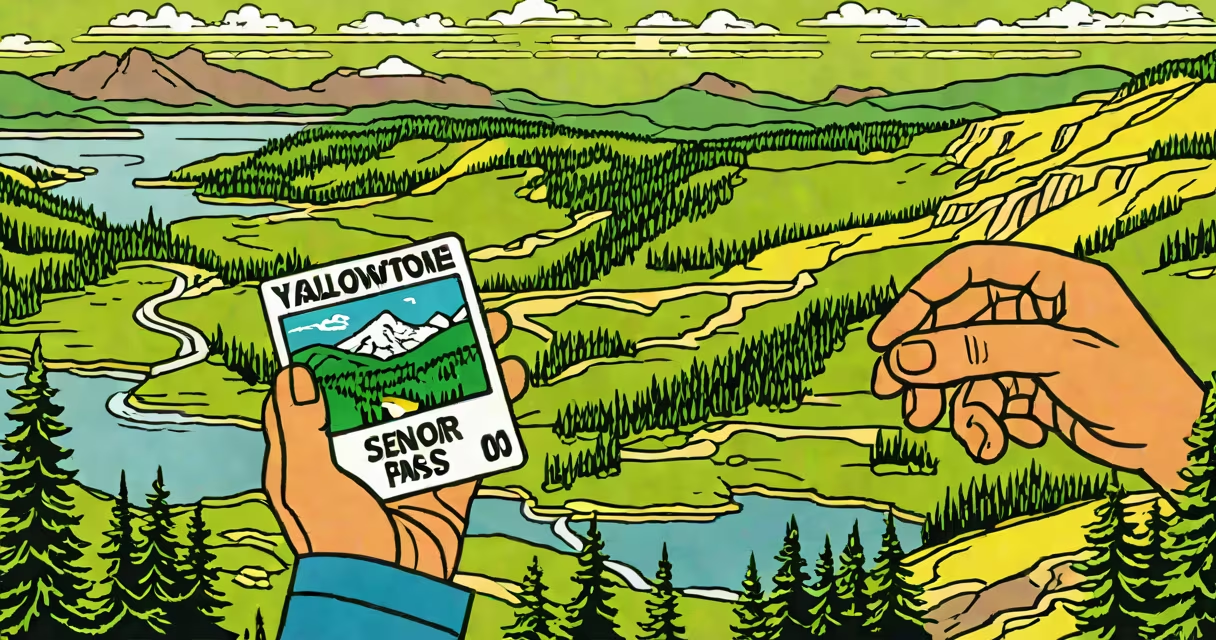
The senior national park pass, officially called the Golden Age Pass, provides lifetime access to all U.S. federal recreation sites, including national parks, national forests, and wildlife refuges, for individuals aged 62 and older. It costs $10 and replaces the standard $80 annual pass.
This pass is issued by the U.S. Department of the Interior and is valid for the lifetime of the holder. It covers entrance fees at over 2,000 federally managed sites, including major parks such as Yosemite, Grand Canyon, and Great Smoky Mountains. The pass is not transferable and must be presented upon entry to any site charging an entrance fee.
Unlike the standard annual pass, which expires after 12 months, the senior pass never expires. It remains valid even if the holder moves or changes residences. The pass is available to U.S. citizens and permanent residents who meet the age requirement. Non-U.S. citizens cannot purchase it, though they may qualify for other passes based on residency.
How It Works
When entering a national park or federal recreation area, the passholder presents the physical card at the entrance station or shows it digitally via the official NPS app. Entry staff scan the barcode or verify the photo ID and pass number. No additional fees apply for entrance, camping, or boat launches at most sites.
Passholders may also use the pass to access discounted or free services such as guided tours, visitor center programs, and certain ranger-led activities. Some state-managed parks may accept the pass, but this is not guaranteed. Always confirm with the specific park's website or visitor center.
For example, a retiree from Florida planning a trip to Glacier National Park in Montana can enter through the main gate using their senior pass. They pay nothing for the $35 daily entrance fee, saving $35 per visit. Over five trips in a year, that's $175 saved-more than enough to cover the $10 cost of the pass.
Types and Eligibility
The senior national park pass is one of four main federal recreation passes. The others are the America the Beautiful Pass (annual), the Access Pass (for people with permanent disabilities), and the Volunteer Pass (for active volunteers).
| Pass Type | Cost | Eligibility | Duration |
|---|---|---|---|
| Golden Age Pass (senior) | $10 | U.S. citizens or permanent residents aged 62+ | Lifetime |
| America the Beautiful Pass | $80 | Anyone | 1 year |
| Access Pass | Free | Individuals with permanent disability | Lifetime |
| Volunteer Pass | Free | Active volunteers at federal sites | 1 year |
Only the senior pass requires proof of age. Applicants must provide a government-issued photo ID showing birth date. Acceptable documents include a driver's license, passport, or Social Security card. The pass is not issued online-it must be purchased in person at a national park entrance station, U.S. Forest Service office, or designated recreation center.
Many visitors assume the senior pass is only for national parks. It applies to all federally managed lands, including Bureau of Land Management areas, U.S. Fish and Wildlife Service refuges, and Army Corps of Engineers recreation sites. For example, a senior visiting the Mojave Desert's Joshua Tree National Monument can use the pass to enter without paying.
Common Misconceptions
One widespread error is believing the senior pass covers all activities within a park. While it waives entrance fees, it does not cover fees for backcountry permits, guided tours, or shuttle services. At Zion National Park, for instance, the pass eliminates the $35 entrance fee but does not reduce the $20 fee for the shuttle bus during peak season.
Another misconception is that the pass can be shared among family members. It is strictly personal and non-transferable. Using someone else's pass results in denial of entry and potential fines. The pass includes a photo of the holder, and staff routinely check identification.
A lesser-known fact: the senior pass is not required for children under 15. All children under 15 enter national parks free, regardless of whether a parent holds a pass. This means a family of four-including two seniors and two kids-can enter a park for $10 total, not $90.
Where and Why It's Used
More than 1.3 million senior passes have been issued since 2009, according to the National Park Service (NPS) annual report. The program supports long-term engagement with public lands and encourages intergenerational outdoor activity. Seniors often return to favorite parks multiple times a year, making the pass a cost-efficient choice.
For example, a retired teacher from Oregon visits Crater Lake National Park twice yearly-once in spring and once in fall. With the senior pass, she avoids paying $30 per visit. Over five years, she saves $300 while enjoying consistent access to protected landscapes.
Some states offer supplemental benefits. California allows holders of the senior pass to receive a 50% discount on state park fees. However, this is not universal. Always check the individual state's recreation website for added perks.
I personally purchased my senior pass at the entrance to Grand Teton National Park in Wyoming. The ranger confirmed my ID, scanned the card, and handed me a temporary laminated version while processing the permanent one. The entire process took less than five minutes. Since then, I've used it at 14 different parks across six states.
Comparison with Other Passes
The senior national park pass differs from the America the Beautiful Pass in duration and eligibility. The latter is valid for one year and can be used by anyone, including families and students. It is ideal for frequent travelers who don't yet qualify for the senior pass.
For example, a couple in their 50s planning a cross-country road trip might buy the $80 annual pass to save money on multiple entries. But if one partner turns 62 during the trip, switching to the senior pass mid-year still offers savings-especially if they plan to revisit parks later.
Unlike the Access Pass, which is free and issued to individuals with documented permanent disabilities, the senior pass requires payment. However, both are lifetime passes. The Access Pass also includes free entrance to all federal recreation sites and is renewable every 10 years.
The senior national park pass is a practical, low-cost way for eligible adults to enjoy the nation's protected landscapes throughout their lives. It reduces financial barriers to nature and promotes sustained stewardship of public lands.
With a one-time $10 investment, seniors gain unlimited access to thousands of recreation sites. The pass is not just a ticket-it's a lifelong invitation to explore, reflect, and reconnect with America's natural heritage.