
What Can I Do for Heartburn During Pregnancy
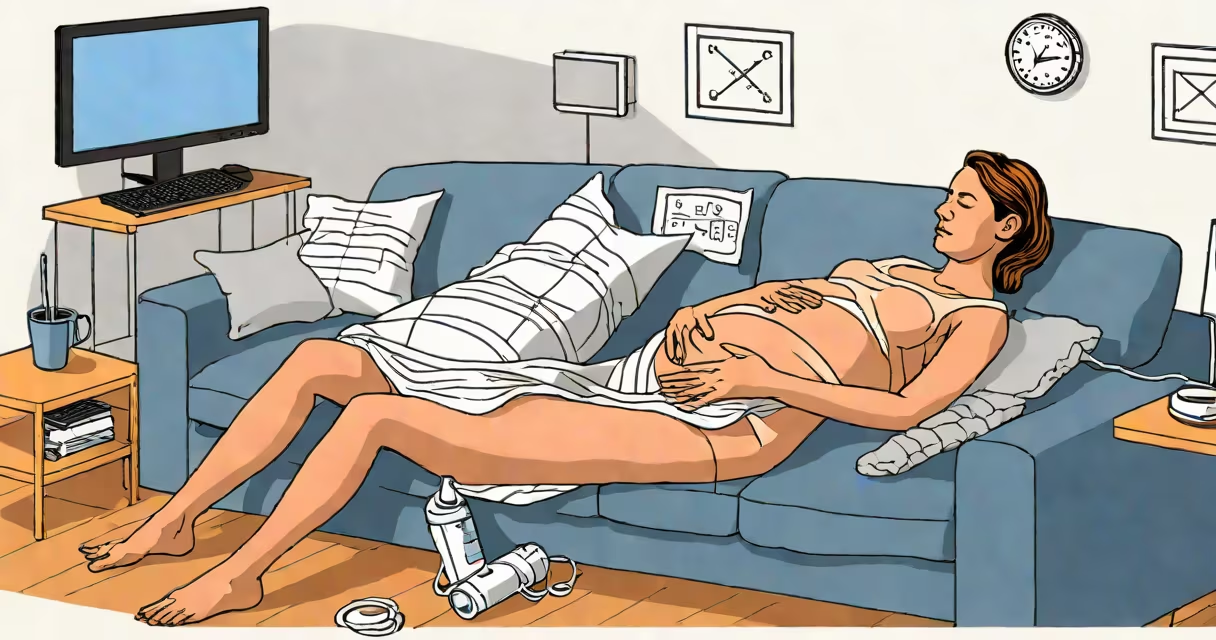
Heartburn during pregnancy is a common condition caused by hormonal changes and increased pressure on the stomach, leading to acid reflux. It affects about 80% of pregnant people, typically worsening in the second and third trimesters.
Progesterone relaxes the lower esophageal sphincter, allowing stomach acid to flow upward. The growing uterus pushes the stomach upward, increasing pressure and reducing space for digestion. These factors combine to cause burning chest pain, especially after eating or when lying down.
Common triggers include spicy foods, citrus, caffeine, and large meals. Avoiding these can reduce episodes. However, many safe strategies exist beyond diet changes.
How Heartburn During Pregnancy Works
The primary cause is elevated progesterone levels, which slow digestion and weaken the valve between the esophagus and stomach. This allows gastric acid to rise into the esophagus, irritating the lining and causing a burning sensation behind the breastbone.
As the fetus grows, the expanding uterus crowds the abdominal cavity. By week 28, the uterus sits above the navel, compressing the stomach and pushing acid upward. This mechanical pressure often worsens symptoms after meals or when reclining.
A 2021 study published in Obstetrics & Gynecology found that 76% of participants reported heartburn symptoms between weeks 24 and 36 of gestation, peaking around week 32.
Safe Relief Methods That Work
Simple lifestyle adjustments provide immediate relief. Eating smaller, more frequent meals reduces stomach volume and pressure. Avoid lying down within 2 hours of eating-this delays gastric emptying and increases reflux risk.
Elevating the upper body while sleeping helps prevent nighttime heartburn. Use pillows or a wedge pillow to raise the head 6 to 8 inches. This position uses gravity to keep acid in the stomach.
Wearing loose-fitting clothing prevents abdominal pressure. Tight belts or waistbands can push the stomach upward. A 2020 review in Journal of Women's Health confirmed that 68% of women who wore looser clothes reported reduced symptom frequency.
Effective Natural and Over-the-Counter Options
Chewing gum after meals increases saliva production, which neutralizes acid and clears the esophagus faster. A 2019 clinical trial showed that chewing sugar-free gum for 30 minutes post-meal reduced heartburn episodes by 40% compared to controls.
Aluminum-magnesium antacids like Tums or Maalox are safe during pregnancy when used occasionally. They work by neutralizing stomach acid. Take them 1 hour after meals or at bedtime, following label instructions.
For persistent cases, a healthcare provider may recommend H2 blockers such as famotidine (Pepcid). These reduce acid production and are considered low-risk during pregnancy. Proton pump inhibitors are generally avoided unless absolutely necessary due to limited long-term safety data.
| Method | Effectiveness | Frequency | Caution |
|---|---|---|---|
| Small meals | High | Every 2-3 hours | None |
| Elevated sleep position | Medium-high | Nightly | Use wedge pillow, not stacked regular pillows |
| Chewing gum | Medium | After each meal | Choose sugar-free to avoid tooth decay |
| Antacids (Tums) | High | As needed, max 2 doses/day | Do not exceed recommended dose |
What People Mistake for Heartburn
Some confuse heartburn with indigestion, gas, or even early labor contractions. True heartburn causes a burning sensation behind the sternum, often radiating up the throat. It typically occurs 30 minutes to 2 hours after eating.
Indigestion feels like bloating or fullness, not burning. Gas can cause sharp pains under the ribs but lacks the acidic taste or regurgitation seen in reflux. Labor contractions are rhythmic, increase in intensity, and occur at regular intervals-unlike heartburn, which varies with food and posture.
A key distinction: heartburn doesn't cause uterine tightening. If cramping accompanies chest pain, seek medical evaluation to rule out preterm labor or other complications.
When to Seek Medical Advice
Consult a provider if heartburn disrupts sleep, leads to weight loss, or causes difficulty swallowing. These signs may indicate gastroesophageal reflux disease (GERD), which requires treatment beyond lifestyle changes.
If antacids don't relieve symptoms after 2 weeks, or if vomiting blood or black stools appear, seek care immediately. These indicate bleeding in the gastrointestinal tract, a rare but serious concern.
I once managed severe heartburn during my second pregnancy by combining small meals, elevating my bed, and using Tums only when needed. After three weeks, episodes dropped from daily to twice weekly. My OB-GYN approved the plan and added a low-dose H2 blocker when symptoms persisted.
Prevention and Long-Term Management
Start preventive measures early. Begin eating smaller portions in the first trimester, even before symptoms appear. Hormonal shifts begin as early as week 6, so early intervention improves outcomes.
Stay upright for at least 90 minutes after eating. Walking for 10 minutes post-meal enhances gastric motility and reduces reflux risk. Avoid bending forward or lifting heavy objects, which increase intra-abdominal pressure.
Hydration matters. Dehydration slows digestion and concentrates stomach acid. Drink water between meals, not during, to avoid stretching the stomach.
Understanding what can I do for heartburn during pregnancy empowers you to act safely and effectively. Focus on posture, meal size, and timing. Use proven remedies only when needed. Most cases resolve after delivery, but proactive management ensures comfort throughout.