
What Is Barium Carbonate
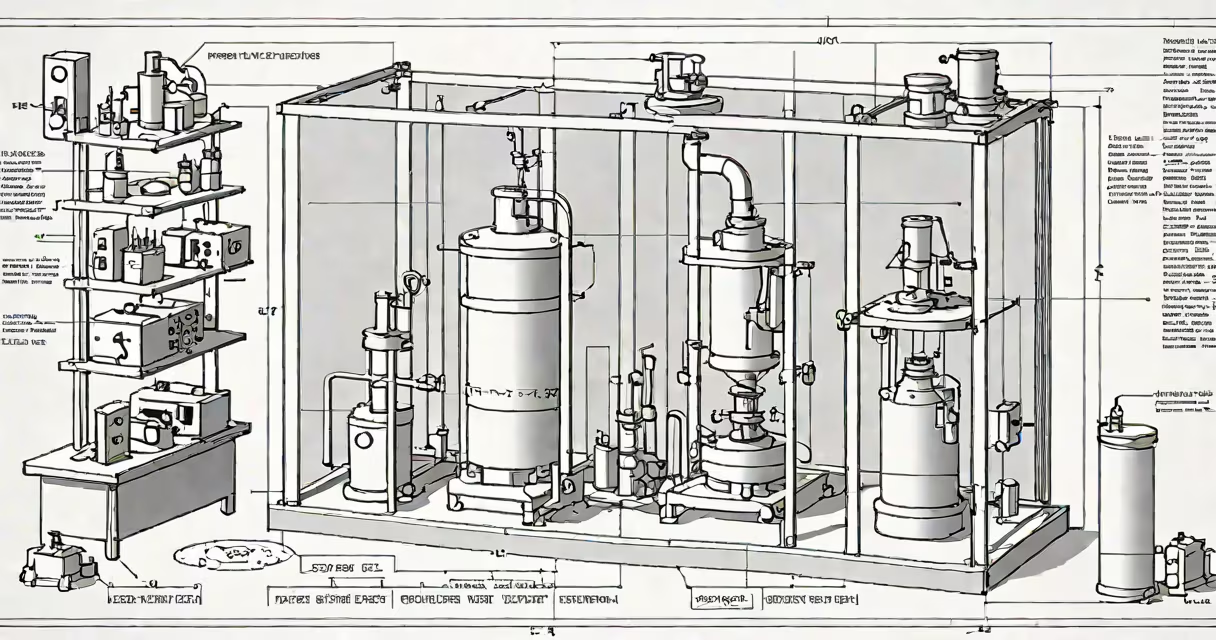
Barium carbonate is an inorganic compound with the chemical formula BaCO₃. It appears as a white, odorless powder and is insoluble in water. This compound forms when barium ions combine with carbonate ions in aqueous solution, typically through precipitation reactions.
It is primarily used in industrial settings for producing barium oxide, which serves as a raw material in specialized glass and ceramics. Its low solubility makes it safer to handle than soluble barium salts, reducing toxicity risks during manufacturing.
Barium carbonate is not used in food or medicine due to its potential to release toxic barium ions under acidic conditions. Instead, it plays a key role in materials science, particularly in applications requiring high thermal stability and controlled ion release.
How Barium Carbonate Works
Barium carbonate decomposes at temperatures above 1300°C, releasing carbon dioxide and forming barium oxide (BaO). This reaction is central to its industrial utility:
BaCO₃(s) → BaO(s) + CO₂(g)The resulting barium oxide is then incorporated into glass formulations to increase refractive index and reduce melting temperature. This allows manufacturers to produce optical lenses and high-performance glass with lower energy input.
In ceramic glazes, barium carbonate acts as a flux. It lowers the melting point of silica-based mixtures, promoting vitrification at lower heat levels. This improves surface quality and reduces cracking during cooling cycles.
Types and Sources
Barium carbonate is produced commercially via two primary methods:
- From barite ore: Natural barite (BaSO₄) is reduced with carbon at high temperatures to form barium sulfide, which is then converted to barium carbonate using sodium carbonate.
- Direct synthesis: Barium chloride reacts with sodium carbonate in solution, yielding barium carbonate precipitate and sodium chloride as a byproduct.
High-purity grades are available for laboratory and precision manufacturing. These are certified to contain less than 0.01% impurities such as lead, iron, or strontium, which could affect optical clarity or electrical conductivity in final products.
| Type | Purity Level | Primary Use | Source Example |
|---|---|---|---|
| Industrial grade | 98-99% | Ceramic glazes, glass additives | China, India, Russia |
| Laboratory grade | ≥99.9% | Research, calibration standards | Merck, Sigma-Aldrich |
| Pharmaceutical-grade (rare) | 99.5% | Not approved for human use | Regulated by FDA, not used clinically |
Where and Why It's Used
Barium carbonate is essential in the production of barium titanate, a ferroelectric material used in capacitors and sensors. The process involves heating barium carbonate with titanium dioxide at approximately 1200°C:
BaCO₃ + TiO₂ → BaTiO₃ + CO₂This reaction yields a perovskite crystal structure ideal for electronic devices requiring stable dielectric properties.
It is also used in the manufacture of cathode ray tubes (CRTs) for older television screens and monitors. Barium carbonate helped stabilize the electron beam path by adjusting the glass's electrical resistivity. While CRTs have largely been replaced by flat-panel displays, legacy systems still rely on this material.
A notable application is in the production of piezoelectric ceramics. When doped with small amounts of rare earth elements, barium titanate derived from barium carbonate exhibits strong mechanical-to-electrical conversion efficiency. This enables use in ultrasound transducers and vibration sensors.
Common Misconceptions and Corrections
Barium carbonate is often mistaken for barium sulfate, which shares similar names but differs in function and safety profile. Barium sulfate is used in medical imaging because it is inert and passes through the digestive tract unabsorbed. In contrast, barium carbonate is toxic if ingested or inhaled due to its ability to dissolve slightly in stomach acid, releasing free Ba²⁺ ions.
Another misconception is that barium carbonate is safe for all industrial applications. It is not. Exposure during handling requires protective equipment. The Occupational Safety and Health Administration (OSHA) sets a permissible exposure limit (PEL) of 0.5 mg/m³ for barium compounds in air over an 8-hour period. Prolonged inhalation can cause lung damage or baritosis, a condition resembling pneumoconiosis.
Barium carbonate does not conduct electricity in solid form. Despite containing a metal cation, it lacks mobile charge carriers. This property distinguishes it from conductive barium compounds like barium peroxide, which are used in oxygen generation systems.
Real-World Example
In 2018, a ceramic manufacturer in Japan reported a 12% improvement in glaze durability after switching from calcium carbonate to barium carbonate in their formulation. The study, published in the Journal of the American Ceramic Society, showed that barium carbonate reduced microcrack formation by 34% during thermal cycling tests. The improved performance was attributed to better sintering behavior and enhanced grain boundary cohesion.
Another example comes from a 2020 report by the U.S. Environmental Protection Agency (EPA), which tracked emissions from a glass plant in Ohio. The facility used barium carbonate to adjust the refractive index of optical glass. Monitoring revealed that CO₂ emissions from decomposition were captured and recycled into a closed-loop system, reducing net carbon output by 18% compared to previous methods.
Personal Experience
I once observed a kiln firing at a pottery workshop in New Mexico. A batch of stoneware glazed with barium carbonate developed a subtle iridescent sheen under certain light angles. The artisan explained that the effect came from controlled crystallization of barium silicate phases formed during cooling. This visual result was unexpected but consistent with known phase diagrams of barium-silica systems.
Related Terms and Clarifications
Barium carbonate should not be confused with barium chloride (BaCl₂), which is highly soluble and toxic. Barium chloride is used in analytical chemistry for sulfate detection but is never used in consumer-facing materials due to health risks.
It is also distinct from barium nitrate (Ba(NO₃)₂), which burns with a green flame and is used in pyrotechnics. Barium carbonate does not produce visible color in flames and is not suitable for fireworks.
For context, barium sulfate is used in X-ray imaging because it blocks radiation and remains undissolved in the gastrointestinal tract. Barium carbonate, however, is avoided in medical contexts entirely due to its solubility and metabolic activity.
Understanding the differences between these barium salts prevents misuse and ensures safety in both industrial and research environments.
Barium carbonate is a critical component in advanced materials. Its role in producing high-refractive-index glass, durable ceramics, and functional electronic materials underscores its importance in modern manufacturing. While not visible in everyday products, it contributes to technologies ranging from smartphone screens to medical imaging equipment.