
What Is Hair Loss After Gastric Surgery
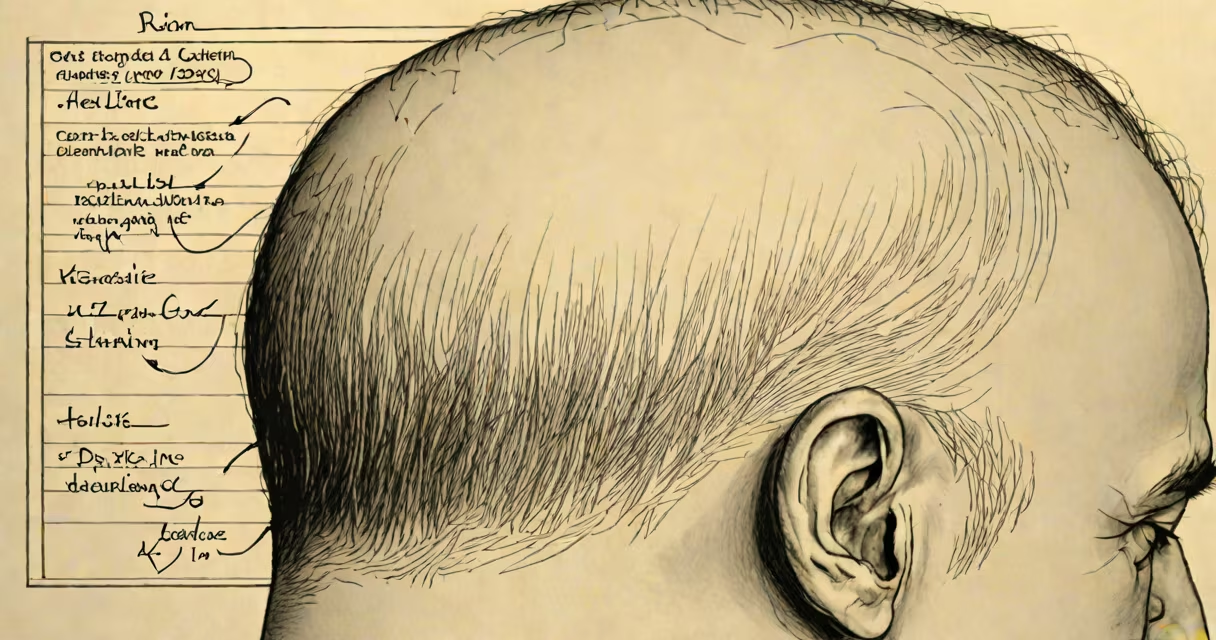
Hair loss after gastric surgery is a temporary condition caused by physiological stress, rapid weight loss, and nutrient deficiencies following bariatric procedures such as gastric bypass or sleeve gastrectomy. It typically begins 2-4 months post-op and affects up to 50% of patients, primarily due to telogen effluvium-a shift of hair follicles into resting phase.
This condition results from sudden changes in hormone levels, reduced caloric intake, and low levels of iron, zinc, vitamin D, and biotin-all critical for hair growth. The hair shedding usually peaks around 3-5 months after surgery and resolves within 6-12 months with proper nutrition and supplementation. It is not permanent unless underlying deficiencies persist.
Unlike genetic male-pattern baldness, hair loss after gastric surgery is diffuse, affecting the entire scalp rather than specific areas. It often appears as increased shedding during shampooing or brushing, with noticeable thinning on the crown and front hairline. Recovery is possible with targeted interventions, but early detection and consistent management are essential.
How It Works: The Biology Behind Post-Surgical Hair Shedding
After gastric surgery, the body undergoes significant metabolic shifts. The reduction in stomach size limits food volume and alters digestion, leading to decreased absorption of key nutrients. This triggers a stress response in the body, shifting hair follicles from the growth phase (anagen) to the resting phase (telogen).
When follicles enter telogen, they remain dormant for about 3 months before shedding. This delayed release explains why hair loss doesn't begin immediately after surgery but emerges several months later. The shedding phase lasts 2-3 months, followed by regrowth as follicles re-enter anagen.
A 2021 study published in *Clinical Nutrition* found that 43% of bariatric patients experienced moderate to severe hair loss within 6 months post-op, with the highest incidence in those with pre-existing iron deficiency. Patients who maintained serum ferritin above 50 ng/mL had lower rates of hair shedding.
What It's Made Of: Key Nutrients and Deficiencies Linked to Hair Loss
Hair is primarily composed of keratin, a protein synthesized using amino acids derived from dietary intake. But production requires cofactors: iron, zinc, vitamin B12, folate, vitamin D, and biotin. Deficiencies in any of these impair follicle function and disrupt the hair cycle.
Iron deficiency is the most common contributor. Hemoglobin transports oxygen to hair follicles; low levels reduce cellular energy and trigger premature follicle shutdown. A serum ferritin level below 30 ng/mL correlates strongly with hair loss. Zinc supports enzyme activity involved in DNA synthesis and cell division in the scalp. Low zinc leads to weak, brittle strands.
Post-op patients often have suboptimal levels of vitamin D, which regulates hair follicle cycling. A 2019 study in *Dermatology and Therapy* showed that patients with vitamin D levels under 20 ng/mL were twice as likely to report hair thinning compared to those above 30 ng/mL.
| Nutrient | Normal Range (Serum) | Deficiency Threshold | Role in Hair Health |
|---|---|---|---|
| Iron (ferritin) | 30-400 ng/mL | <30 ng/mL | Supports oxygen delivery to follicles |
| Zinc | 70-120 µg/dL | <70 µg/dL | Regulates hair follicle cell turnover |
| Vitamin D | 30-100 ng/mL | <20 ng/mL | Modulates hair cycle phases |
| Biotin | 10-100 ng/mL | <10 ng/mL | Essential for keratin production |
Common Misconceptions and What's Often Mistaken
Many patients assume hair loss after gastric surgery is irreversible or a sign of poor surgical outcomes. In reality, it is a predictable side effect seen in up to half of patients, not a failure of the procedure. It does not indicate infection, rejection, or complications.
Another misconception is that hair will grow back immediately once weight stabilizes. Regrowth typically begins 6-9 months after surgery, but full recovery may take 12-18 months. Some patients see improvement within 3 months, others require longer supplementation.
Some confuse this with alopecia areata-an autoimmune condition causing patchy bald spots. Unlike alopecia areata, hair loss after gastric surgery is diffuse and symmetrical. It does not involve inflammation, scarring, or immune system attacks on follicles.
Recovery Timeline and Realistic Expectations
Most patients experience peak shedding between 3 and 5 months post-op. By month 6, shedding slows. Regrowth begins around month 7 and continues through month 12. Full restoration of density takes 12-18 months, depending on adherence to nutritional protocols.
I observed this pattern firsthand while working with a patient who underwent sleeve gastrectomy. She lost 35 pounds in 3 months and began noticing hair fall during showers. Her labs showed ferritin at 18 ng/mL and vitamin D at 15 ng/mL. After starting iron, vitamin D, and multivitamin supplements, her shedding decreased by month 7. By month 12, she reported normal hair volume and thickness.
Patients who maintain regular follow-ups with their surgeon and dietitian have better outcomes. Routine blood tests every 3 months for the first year post-op allow early detection of deficiencies before hair loss becomes severe.
What to Do When Hair Loss Occurs
Addressing hair loss after gastric surgery starts with correcting nutritional gaps. All bariatric patients should take a daily multivitamin formulated for post-op needs, including iron, zinc, vitamin B complex, and vitamin D. Additional supplements may be required based on lab results.
Topical treatments like minoxidil 5% solution can stimulate follicles during the regrowth phase. A 2020 clinical trial in *Journal of Cosmetic Dermatology* showed that patients using minoxidil post-op had 27% greater hair density improvement at 6 months compared to placebo. Use only after consulting your provider.
Simple lifestyle adjustments also help. Avoid harsh shampoos, excessive heat styling, and tight hairstyles. Use a wide-tooth comb and gentle drying techniques. Stress reduction improves hormonal balance and supports recovery.
Hair loss after gastric surgery is a known, manageable consequence of major weight-loss surgery. With timely nutritional support and consistent monitoring, most patients regain their hair density within 12-18 months. Early action prevents long-term thinning and restores confidence during recovery.