
Oracle JD Edwards
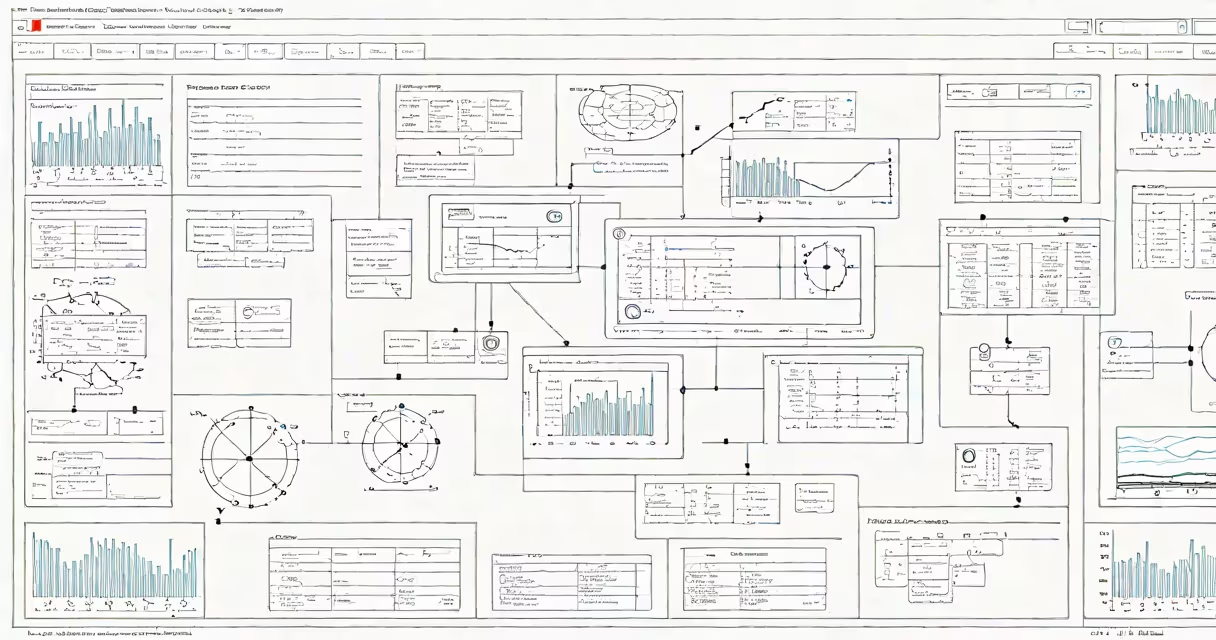
Oracle JD Edwards is an enterprise resource planning (ERP) system designed for large organizations to manage finance, supply chain, manufacturing, and human resources across global operations. It runs on Oracle's database infrastructure and supports complex business workflows through modular, integrated applications.
Developed originally by JD Edwards & Company, the software was acquired by PeopleSoft in 2003, then by Oracle Corporation in 2005. Since then, Oracle has maintained and evolved the product under the Oracle JD Edwards brand. It operates primarily on Unix-based servers and supports both on-premises deployment and cloud-hosted configurations through Oracle Cloud Infrastructure.
Unlike consumer-grade software, Oracle JD Edwards handles high-volume transaction processing-up to 100,000 daily journal entries in financial modules-and maintains audit trails required by Sarbanes-Oxley compliance. It is not a standalone tool but part of a larger enterprise set, often interfacing with Oracle E-Business Set (EBS) and Oracle Fusion Applications.
How It Works
Oracle JD Edwards operates as a centralized system where data flows between departments via shared databases. When a sales order is placed, the system updates inventory levels, triggers production scheduling, adjusts accounts receivable, and generates shipping documents-all in real time. This integration prevents data silos and reduces manual reconciliation.
The system uses a client-server architecture. Users access it through a web browser or desktop client, which connects to backend application servers running on Oracle WebLogic Server. Business logic is stored in stored procedures and custom scripts written in Oracle's proprietary PL/SQL and JDEScript languages.
For example, a multinational manufacturer using Oracle JD Edwards processes 25,000 purchase orders monthly. The system automatically validates vendor contracts, checks budget availability, and routes approvals based on predefined roles. Once approved, it posts the transaction to the general ledger and updates supplier performance metrics.
Core Modules and Functional Areas
Oracle JD Edwards includes several key modules tailored for specific business functions. These modules share a common data model and authentication layer, enabling cross-module visibility.
| Module | Primary Function | Typical Use Case |
|---|---|---|
| Financial Management | General ledger, accounts payable/receivable, fixed assets | Monthly close automation for companies with 15+ subsidiaries |
| Supply Chain Management | Inventory control, procurement, demand forecasting | Tracking raw material usage across 5 production plants |
| Manufacturing | BOMs, work orders, shop floor tracking | Managing batch production of pharmaceuticals with expiry tracking |
| Human Capital Management | Payroll, benefits administration, talent development | Processing biweekly payroll for 12,000 employees across 8 countries |
Each module supports role-based dashboards. A warehouse manager sees inventory turnover rates and stockouts; a CFO views cash flow projections and variance reports. Custom reports can be generated using Oracle Reports Builder or embedded in third-party BI tools like Tableau.
Common Misconceptions and Key Distinctions
Oracle JD Edwards is frequently confused with Oracle E-Business Set (EBS), but they serve different markets. While both are ERP platforms, Oracle EBS targets mid-to-large enterprises with standardized processes, whereas Oracle JD Edwards is built for highly customized environments-especially in industries like food and beverage, industrial manufacturing, and distribution.
A major difference lies in implementation complexity. Oracle JD Edwards requires deeper technical expertise because it allows extensive customization at the database level. One company I worked with spent 18 months implementing JD Edwards across six European sites, rewriting 400 custom reports and integrating with legacy warehouse systems. The project succeeded only after hiring a dedicated team of Oracle-certified developers.
Another misconception is that Oracle JD Edwards is outdated. On the contrary, Oracle released version 9.2 in 2022 with support for REST APIs, microservices architecture, and AI-driven anomaly detection in financial transactions. The latest release includes automated invoice matching using machine learning models trained on historical payment patterns.
Where and Why It's Used
Organizations choose Oracle JD Edwards when they need a customizable, scalable ERP solution that supports complex regulatory requirements. Industries such as aerospace, automotive, and consumer goods rely on it due to its ability to handle multi-currency, multi-language, and multi-tax jurisdictions.
For example, a Fortune 500 auto parts supplier uses Oracle JD Edwards to track component traceability from supplier to vehicle assembly. Each part has a unique serial number logged in the system, tied to quality inspection records and warranty claims. If a defect is reported, the system traces all affected vehicles within 90 seconds.
According to Gartner's 2023 Magic Quadrant for Enterprise Resource Planning, Oracle JD Edwards ranks in the "Leaders" quadrant for functional completeness and industry-specific capabilities. The report notes that 68% of surveyed users cited improved financial reporting accuracy after migrating to Oracle JD Edwards from legacy systems.
Despite its strengths, Oracle JD Edwards is not ideal for small businesses. Its licensing model charges per user and per module, making it cost-prohibitive below 200 employees. Smaller firms typically opt for cloud-based alternatives like NetSuite or SAP S/4HANA Cloud.
Integration and Evolution
Oracle JD Edwards integrates with other Oracle products through standardized interfaces. For instance, customer data from Oracle JD Edwards can sync with Oracle Marketing Cloud to personalize outreach campaigns. Sales teams receive alerts when credit limits are exceeded, pulling real-time data from the financial module.
Cloud migration is underway. Oracle offers Oracle JD Edwards Cloud, hosted on Oracle Cloud Infrastructure, with automatic patching and disaster recovery. A recent survey by IDC found that 54% of existing JD Edwards customers plan to move to the cloud by 2026, driven by reduced IT maintenance costs and faster deployment cycles.
One non-obvious fact: Oracle JD Edwards supports real-time analytics using in-memory databases. Unlike traditional ERP systems that generate reports overnight, JD Edwards can display live production output metrics during shift changes. A steel mill in Ohio uses this feature to adjust furnace temperatures based on real-time yield data, reducing scrap rates by 12% annually.
Oracle JD Edwards remains a critical tool for large-scale operations requiring deep integration, regulatory compliance, and long-term scalability. Its continued evolution ensures relevance in complex, global business environments.