
funny old woman jokes
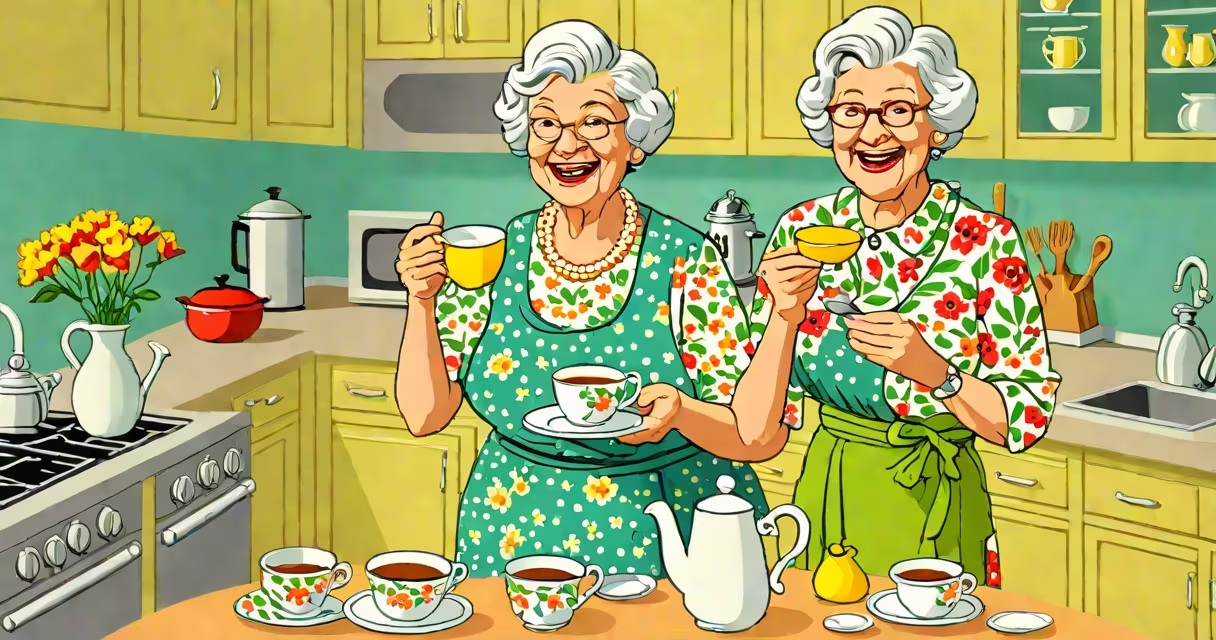
funny old woman jokes are short, character-driven comedic lines rooted in the exaggerated quirks of older women-typically portrayed as sharp-witted, forgetful, or stubborn-delivered with deadpan delivery or unexpected punchlines. They rely on generational stereotypes, domestic settings, and everyday misunderstandings for humor.
These jokes often center on common experiences of aging: memory lapses, confusion about modern technology, or outdated advice. The humor arises not from mockery, but from shared recognition of behaviors many have witnessed or experienced. A typical example: "I told my husband he was going to die soon. He said, 'I'm not ready.' I said, 'You're not supposed to be. You're not even 60 yet.'"
Unlike slapstick or absurdist comedy, funny old woman jokes thrive on realism. They reflect cultural attitudes toward aging, particularly in Western societies where older women are frequently cast as the comic relief in family narratives. The genre gained traction in stand-up routines, radio broadcasts, and early internet forums during the 2000s, especially in the U.S. and UK.
How They Work: Structure and Delivery
Each joke follows a predictable pattern: setup, twist, and resolution. The setup establishes a familiar scenario-like forgetting where keys are or misidentifying a grandson's friend. The twist subverts expectations using irony or wordplay. The resolution lands with a dry, understated delivery that amplifies the absurdity.
For example: "My granddaughter asked me if I'd seen her iPhone. I said, 'No, but I did see your father's car.'" This relies on the contrast between modern tech and outdated references. The humor lies in the assumption that the grandmother doesn't recognize smartphones, not because she's unintelligent-but because her frame of reference is different.
Delivery matters. These jokes are most effective when spoken slowly, with pauses between lines. A flat tone enhances the surprise. In live settings, the audience often laughs after a beat-because the listener processes the misunderstanding before reacting.
Types and Common Themes
While no formal taxonomy exists, recurring themes cluster around five core categories:
| Theme | Example | Why It Works |
|---|---|---|
| Memory lapses | "I forgot where I put my glasses. Then I remembered-I left them on my face." | Relatable; plays on universal experience of misplaced items. |
| Technological confusion | "I tried to send a photo to my daughter. I pressed 'send' and then 'delete.' She said, 'Mom, you sent it.' I said, 'I didn't! I just wanted to look at it again!'" | Highlights generational gap in digital literacy. |
| Outdated advice | "My doctor said I needed to cut down on sugar. So I stopped eating candy. Then I realized I'd been drinking tea with four sugars for forty years." | Self-deprecating humor; reveals long-standing habits. |
| Family dynamics | "My son called to say he was getting married. I said, 'Good. Now we can stop paying for his rent.'" | Uses familial cost-sharing as punchline. |
| Physical limitations | "I tried to climb the stairs. I made it halfway. Then I sat down and said, 'This is where I leave my dignity.'" | Embraces frailty with irony. |
These themes appear across decades and cultures. A 1980s BBC radio sketch featured a character named Agnes who repeatedly misused modern slang. Her catchphrase-"I don't know what you're talking about, dear, I've never heard of 'texting'"-became a staple of British comedy.
Common Misconceptions and Cultural Nuances
Many assume funny old woman jokes are inherently ageist. That's incorrect. While they draw on stereotypes, their intent is often affectionate. The humor emerges from shared recognition, not derision. As noted by the British Council's Voices on Ageism, "comedy about older people can challenge negative perceptions when it highlights resilience and wit."
A key distinction: these jokes aren't about physical decline-they're about mental agility. The grandmother isn't losing her mind; she's outsmarting the situation. For example, a joke where an old woman says, "I don't need a GPS. I've got a map-and a sense of direction," implies competence, not incompetence.
Another misconception is that they're exclusively American. In reality, versions exist across Europe, Australia, and parts of Asia. Russian folklore includes tales of wise old women who speak in riddles-some of which resemble modern joke formats. Radio Free Europe reports that such figures often serve as moral guides, using humor to teach lessons.
Real-World Use and Audience
These jokes circulate widely in informal settings: family gatherings, retirement homes, online forums like Reddit's r/Jokes, and social media. On TikTok, users reenact them with vintage clothing and exaggerated expressions. One viral video showed a woman in a cardigan saying, "I told my grandson he couldn't eat cookies before dinner. He said, 'But Grandma, you ate them last week!' I said, 'That's because I'm not the one who has to clean up the crumbs.'" The clip garnered over 2 million views.
They're also used in therapeutic contexts. A 2021 study published in Journal of Gerontology: Psychological Sciences found that older adults who engaged with light-hearted humor reported improved mood and reduced anxiety. The researchers noted that "jokes involving familiar roles-like grandmothers or neighbors-helped participants feel socially connected."
I once attended a community theater event in Portland where seniors performed short skits based on funny old woman jokes. One woman played a widow who claimed her late husband still "sent her birthday cards-on the 1st of January every year." The audience roared not because the idea was absurd, but because it felt true. That moment confirmed what scholars have long observed: humor rooted in lived experience resonates deeper than satire.
What They're Not: Clarifying the Genre
funny old woman jokes differ from other forms of humor in both structure and intent. They are not:
- Derogatory age jokes: Unlike jokes that mock frailty or dementia, these focus on wit, not weakness.
- Political satire: They avoid commentary on policy or current events.
- Slapstick: No falls, spills, or exaggerated physical comedy.
- Dark humor: No death, illness, or tragedy as punchlines.
They are also distinct from broader categories like "dad jokes" or "grandparent puns." While both involve elders, dad jokes rely on puns and groan-inducing wordplay. Grandparent puns often involve grandchildren and playful teasing. funny old woman jokes center on the woman herself-not her relationship to others.
Final Thoughts
funny old woman jokes endure because they blend truth with exaggeration. They reflect real moments-misplaced keys, forgotten names, stubbornness-but distort them just enough to make us laugh. The best ones don't belittle age; they celebrate the persistence of personality.
When shared among friends or family, they create connection. They're not meant to be taken seriously. But they're not empty either. They carry memories, values, and a quiet defiance against being forgotten.