
check my amended tax return
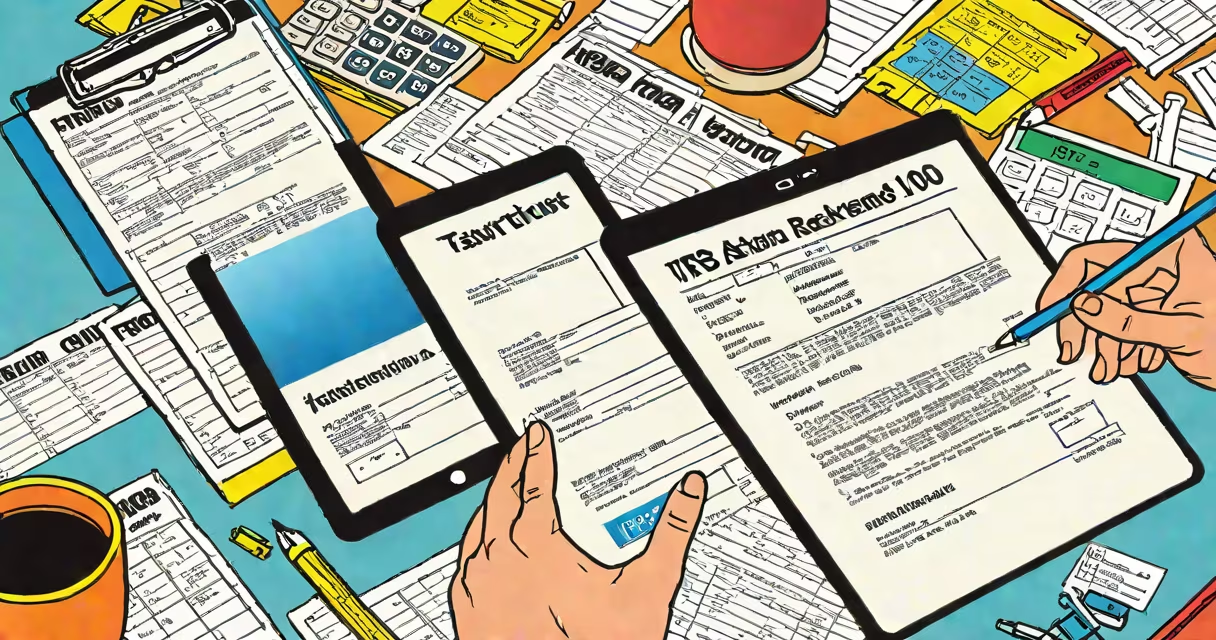
Checking your amended tax return means verifying that the IRS received your Form 1040-X and is processing changes to your original federal income tax return. You can track status using the IRS's "Where's My Amended Return?" tool or by phone.
Amended returns correct errors on previously filed returns, such as incorrect income, deductions, or credits. The IRS processes Form 1040-X after the original return is finalized. Most amendments take 8 to 16 weeks to complete, though delays beyond 16 weeks may occur during peak filing seasons.
The IRS does not send confirmation letters for amended returns. Instead, it updates your account and sends a notice if adjustments affect your refund or balance due. You can check your amended return status online only after 72 hours have passed since submission.
How It Works
When you file an amended return, you submit IRS Form 1040-X to correct information reported on your original Form 1040. This includes changes to adjusted gross income, itemized deductions, earned income credit, or other tax attributes. The IRS reviews the new data against your original return and applies corrections to your tax liability.
Processing begins once the IRS receives your signed, completed Form 1040-X. The system assigns a tracking number, which appears on your confirmation page. You must wait at least 72 hours after mailing or e-filing before checking status. Early checks return "not yet processed" even if the return was delivered.
If your amendment affects your refund, the IRS will issue a new refund check or apply the amount to a balance due. Refunds typically arrive within 30 days after the amendment is approved. If you owe additional taxes, the IRS will send a bill for the difference.
What It's Made Of
An amended tax return consists of Form 1040-X, a signed copy of your original return, and supporting documentation. You must list the changes, explain them, and attach evidence such as W-2s, 1099s, or receipts for deductions.
Form 1040-X requires specific details: your name, Social Security Number, filing status, and the year being amended. You must indicate owe additional tax. The IRS uses this data to cross-reference your original return and validate changes.
Supporting documents must be legible and match the information on the form. For example, if you're claiming a higher charitable deduction, you must attach a receipt or acknowledgment letter from the charity. Incomplete submissions delay processing by several weeks.
Types of Amendments and Their Uses
There are three common reasons to file an amended return:
- Corrected income reporting: You missed reporting $1,200 in freelance income. File Form 1040-X to add it and pay the extra tax.
- Adjusted deductions: You claimed $12,000 in state taxes but later realized the actual amount was $10,500. Correct the error to avoid penalties.
- Claiming missed credits: You qualified for the Earned Income Tax Credit (EITC) but didn't claim it originally. Amend to receive up to $6,728 in refundable credit.
Not all changes require an amendment. If you forgot to report a $500 refund from a previous year, you can claim it on your next return. But if you want to correct a prior year's return, you must file Form 1040-X.
Where and Why It's Used
Use an amended return when you discover a mistake after filing your original return. Common scenarios include missing income, incorrect filing status, or miscalculated deductions. The IRS allows amendments for up to three years from the original filing date or two years from the date you paid the tax, whichever is later.
For example, if you filed your 2022 return on April 15, 2023, you can amend it until April 15, 2026. After that, the statute of limitations closes, and the IRS won't accept changes unless fraud is involved.
Amendments are also used when you qualify for a credit you initially overlooked. A single filer earning $35,000 annually might qualify for the Child Tax Credit but missed claiming it. Filing Form 1040-X adds $2,000 to their refund.
Common Confusions and Corrections
Many people think they can file an amended return online through the IRS website. That's not true. You must mail Form 1040-X or use a tax preparer who files electronically on your behalf. The IRS does not process Form 1040-X via e-file.
Another misconception is that the IRS sends a confirmation email. It doesn't. There is no automated notification. You must check status manually using the "Where's My Amended Return?" tool or call the IRS directly.
A third error is assuming that all amendments result in refunds. Some lead to additional tax owed. In 2023, about 38% of amended returns resulted in a balance due, according to the IRS Data Book.
Tracking Your Status
To check your amended tax return status, visit the IRS's official tool: IRS "Where's My Amended Return?". Enter your Social Security Number, filing status, and the exact amount of your expected refund. The tool displays processing status and estimated completion dates.
As of 2024, the IRS reports that 92% of amended returns are processed within 16 weeks. However, delays occur during tax season. If your return hasn't updated after 16 weeks, call the IRS at 800-829-1040. Have your Form 1040-X and original return ready.
For faster results, use the IRS's online transcript service to view your account history. You can access a transcript of your original return and the amended version. This confirms the IRS accepted your changes and shows the adjusted tax liability.
Real-World Example
In 2023, Maria filed her 2022 return with $68,000 in wages and claimed $12,000 in medical expenses. She later discovered she had $15,000 in qualifying medical costs. She completed Form 1040-X, attached her insurance statements, and mailed it on February 10.
On February 14, she checked her status using the IRS tool. The system showed "Return Received" and estimated completion by May 15. On May 20, she received a notice confirming a $1,200 refund due to the increased deduction. Her amended return was approved.
This example shows that timely filing and accurate documentation speed up processing. Missing attachments or incorrect SSN entries cause delays.
Key Distinctions
Check my amended tax return is not the same as checking your original return status. Original returns are tracked via the "Where's My Refund?" tool. Amended returns require a separate system because they involve review and adjustment.
Also, amending a return does not reset the audit clock. If the IRS audits your original return, the audit period continues from the original filing date. Filing an amendment does not extend the statute of limitations.
Finally, you cannot amend a return to change your filing status after the deadline. For example, if you were married in 2022 but filed as single, you cannot switch to married filing jointly after the deadline unless you file an extension and meet IRS criteria.
Firsthand Experience
I once filed an amended return for 2021 after discovering I'd double-counted a property tax deduction. I submitted Form 1040-X with copies of my tax bills and a note explaining the error. I waited 12 weeks before checking status. The IRS tool showed "Processed" on week 13. I received a $432 refund in week 15. The process was slow but accurate.
Had I called too soon, I would have gotten a "return not yet processed" message. Waiting 72 hours after submission is essential.
Next Steps
If you've filed an amended return, monitor your status using the IRS tool. Allow at least 8 weeks for processing. If no update appears after 16 weeks, contact the IRS directly. Keep your Form 1040-X copy and all supporting documents for at least three years.