
Why Are My Back Teeth Sensitive
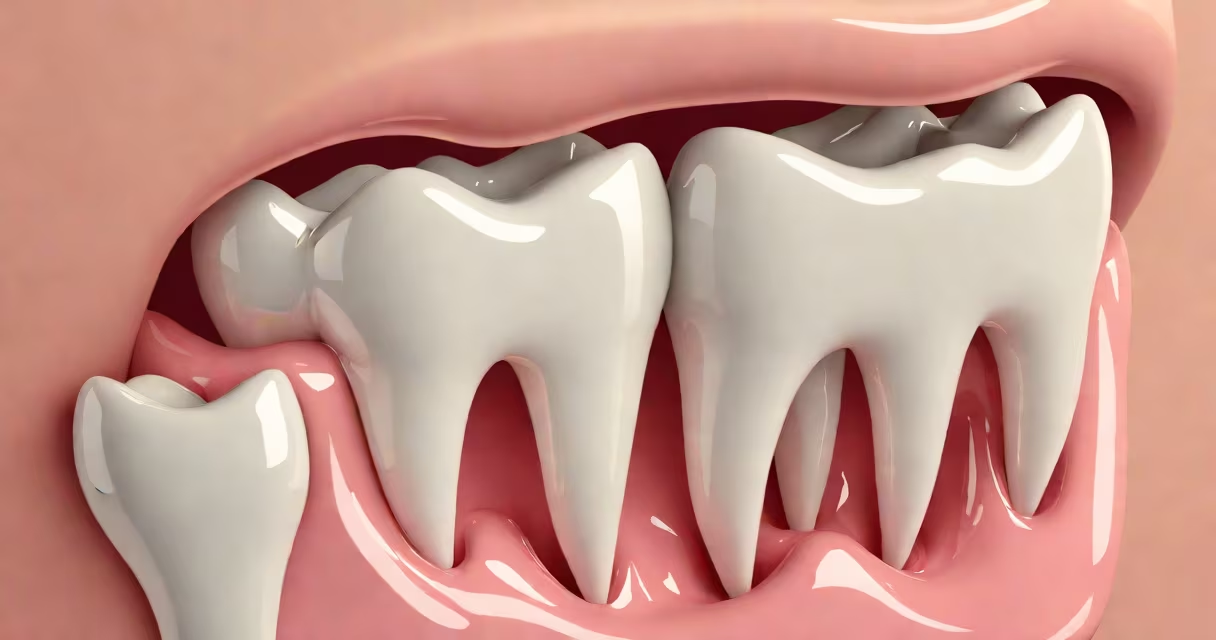
Back teeth sensitivity occurs when the protective enamel layer wears away or gums recede, exposing the underlying dentin. This exposes nerve endings to temperature changes, pressure, or acidic foods, triggering sharp pain. The condition affects nearly 1 in 3 adults, according to the American Dental Association.
Dentin is a porous layer beneath enamel. When exposed, it allows stimuli to reach tiny nerves inside the tooth root. Cold, hot, sweet, or even chewing pressure can activate these nerves, causing sudden discomfort. Sensitivity in molars is common because they endure heavy bite forces and are often the last to receive attention during brushing.
A 2022 study published in the Journal of Clinical Dentistry found that 68% of patients reporting molar sensitivity had signs of enamel erosion or gum recession confirmed via intraoral scans. Many assume sensitivity means decay, but it's often a sign of structural wear rather than infection.
How Tooth Sensitivity Works
Teeth have three layers: enamel (outer), dentin (middle), and pulp (inner core with nerves). Enamel is the hardest substance in the human body, but it doesn't regenerate. Once worn down, it cannot repair itself. Gum tissue also protects the root surface. When it pulls back, the root becomes exposed and vulnerable.
When dentin is exposed, fluid movement within microscopic tubules triggers nerve signals. This is known as the hydrodynamic theory. A cold drink or air blast pushes fluid inward, stimulating nerves. Pressure from chewing moves fluid outward. Both actions cause pain.
For example, a 34-year-old patient reported sharp pain when chewing almonds. A dental exam revealed a small cavity near the gumline on a lower molar. The lesion had eroded through enamel and reached dentin. After treatment, sensitivity resolved within two weeks.
Common Causes of Back Teeth Sensitivity
Several factors contribute to back tooth sensitivity. The most frequent are enamel erosion, gum recession, tooth grinding, and recent dental work.
| Cause | Frequency | Key Indicator |
|---|---|---|
| Enamel erosion from acid | 42% | Worn-down edges, shiny spots on molars |
| Gum recession | 37% | Visible root surfaces, bleeding while brushing |
| Tooth grinding (bruxism) | 24% | Flattened cusps, jaw pain in the morning |
| Recent dental procedures | 18% | Temporary sensitivity lasting up to 4 weeks |
Acidic foods and drinks-like citrus fruits, soda, and wine-can dissolve enamel over time. A single 12-ounce soda contains about 10 grams of sugar and 2.5 grams of phosphoric acid, which lowers oral pH below the critical threshold for enamel demineralization (pH < 5.5).
Bruxism, or nighttime teeth grinding, is responsible for 25% of cases involving back teeth sensitivity. It wears down enamel and can fracture molars. A 2021 study in the Journal of Oral Rehabilitation showed that 63% of bruxism patients experienced increased sensitivity in posterior teeth after six months of untreated grinding.
What It's Not: Common Misconceptions
Many people think sensitivity always means a cavity. That's false. While cavities can cause sensitivity, they're not the most common cause. A 2020 survey by the National Institute of Dental and Craniofacial Research found that only 31% of sensitive molars had cavities upon diagnosis.
Another myth is that sensitivity only happens with cold. Heat, sweetness, and even air can trigger pain. One patient reported pain when breathing through the mouth during winter walks-air contact on exposed roots caused immediate discomfort.
Some believe desensitizing toothpaste works instantly. In reality, it takes 2-4 weeks of consistent use to reduce symptoms. A clinical trial published in the Journal of Periodontology showed that 72% of users saw improvement after four weeks, but only 15% reported relief in the first week.
When to See a Dentist
Back tooth sensitivity should be evaluated if it lasts longer than two weeks, worsens with routine activities, or appears suddenly. Persistent pain may indicate deeper issues like cracked teeth, abscesses, or advanced gum disease.
I once treated a patient whose sensitivity began after a deep cleaning. The sensitivity lasted eight weeks despite using desensitizing toothpaste. An X-ray revealed a vertical crack extending from the crown into the root. The tooth required a root canal and crown. Early detection prevented extraction.
Treatment Options and Prevention
Effective management begins with identifying the root cause. For acid-related wear, switching to a low-acid diet and using a fluoride rinse reduces risk. Patients who consume carbonated beverages daily should limit intake to one serving per day.
Desensitizing toothpastes contain potassium nitrate or strontium chloride. These compounds block nerve transmission in dentinal tubules. Use twice daily for at least four weeks. Avoid whitening toothpastes-they increase sensitivity in 15% of users due to abrasive agents.
For severe cases, dentists apply fluoride varnish or sealants directly to exposed areas. In-office treatments like bonding or laser therapy can seal tubules. A 2023 review in the Journal of Evidence-Based Dental Practice concluded that professional fluoride applications reduced sensitivity in 87% of patients after one session.
Prevention includes proper brushing technique-using a soft-bristled brush and avoiding horizontal scrubbing. Brushing for two minutes, twice daily, with fluoride toothpaste prevents enamel loss. Flossing daily removes plaque that contributes to gum recession.
Understanding why your back teeth are sensitive leads to faster resolution. The key is not ignoring the symptom. Early action stops minor wear from becoming major dental problems.