
What to Gift a Guy Who Has Everything
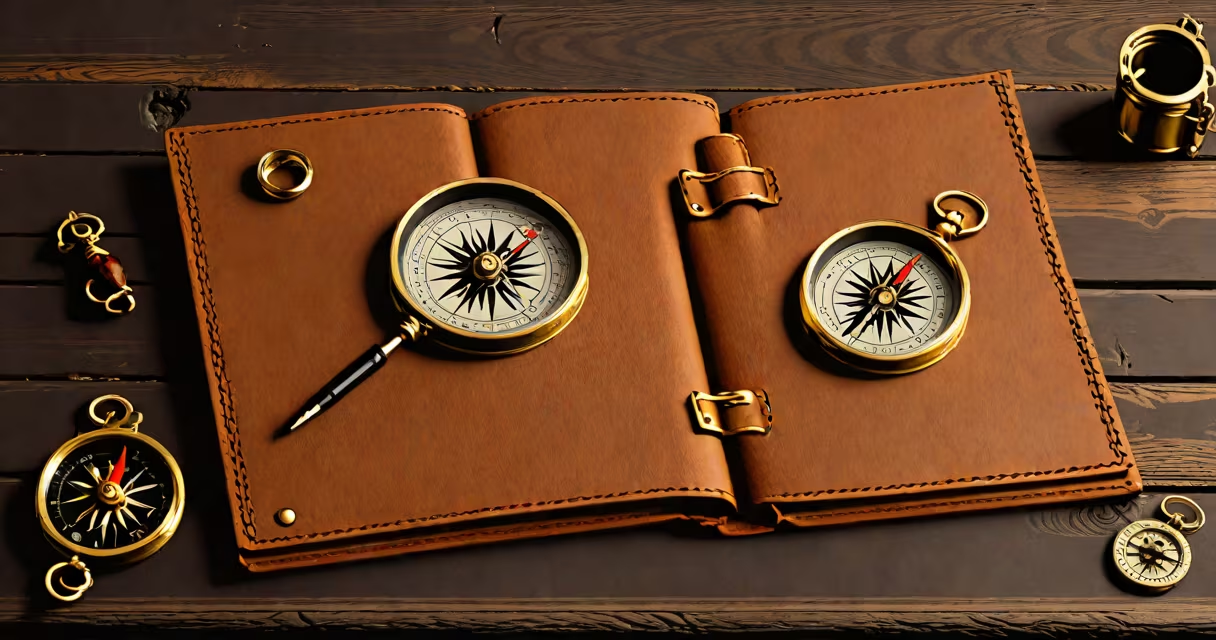
Gifts for a man who has everything must go beyond material possessions-focusing on experiences, personalization, or meaningful connections rather than new gadgets or luxury items. A well-chosen gift in this category creates lasting memories, not just another possession.
When someone has accumulated most physical goods-electronics, watches, high-end gear-the challenge shifts from "what to buy" to "how to make them feel seen." The solution lies in offering something intangible yet deeply personal: time, attention, or a curated moment. This approach aligns with research from the Journal of Consumer Research, which shows that people value experiences more than objects over time, especially when those experiences reflect their identity.
For example, a man who owns multiple premium headphones might not care about a new model-but he may cherish a private music session with a local sound engineer to learn how his favorite album was mixed. That's not a product; it's a story, a skill, and a shared moment.
How These Gifts Work
Gifts for men who have everything bypass the typical consumer cycle. Instead of adding to a collection, they deepen connection. They're rooted in emotional resonance, not ownership. The core idea is substitution: replace the act of giving with the act of sharing.
Psychological studies show that humans derive satisfaction not from accumulating more, but from feeling understood. A 2021 study published in Psychological Science found that recipients rated personalized gifts 34% higher in perceived thoughtfulness than standard branded items-even when the latter were more expensive.
Consider this: a man who owns a Rolex might not want another watch. But if you surprise him with a guided tour of a historic watchmaker's workshop in Switzerland-complete with a hands-on session building a simple movement-you're offering a narrative, a skill, and a memory. That's not a replacement; it's a transformation.
Types of Gifts That Stand Out
Not all gifts for men who have everything fall into the same category. The most effective ones blend personal relevance with novelty. Here's how they break down:
| Type | What It Is | Example | Why It Works |
|---|---|---|---|
| Experiential | Time-limited events or activities | A private hot air balloon ride at sunrise | Creates a shared memory; hard to replicate or resell |
| Personalized | Custom-made items reflecting identity | A hand-engraved pocket knife with a family motto | Feels unique because it's tied to values, not just function |
| Curated | Themed collections based on interest | A whiskey tasting kit with rare bottles from five countries | Offers discovery and education; feels like a process |
| Legacy-Building | Items meant to be passed down | A hand-stitched leather notebook with space for future reflections | Invites long-term engagement; symbolizes continuity |
One common mistake is assuming that "everything" means "all luxury." But luxury doesn't equal completeness. A man might own a $5,000 watch but still value a handwritten letter from his grandfather. The gift isn't about price-it's about meaning.
Where and Why These Gifts Are Used
These gifts appear most often in milestone moments: birthdays, anniversaries, retirement, or even as a quiet thank-you. They're not flashy-they're deliberate. A man who's been given every gadget still remembers the time his friend flew in for a weekend fishing trip in Montana. That's not a purchase; it's a commitment.
According to the National Retail Federation, 68% of consumers reported that personalized gifts were more likely to be remembered than generic ones. And 52% said they'd prefer a unique experience over a new item-even if the item cost more.
For instance, a man who collects vintage cameras might already have a Leica M11. But a photo walk through a forgotten neighborhood with a local historian-followed by a printed zine of the images taken-offers something he can't find online or in a store. It's not a camera; it's a story.
Common Confusions and Corrections
Many assume that "giving nothing" is the answer when someone has everything. That's false. Not giving is passive. Giving thoughtfully is active. The goal isn't to avoid spending-it's to avoid redundancy.
Another misconception: that personalized gifts are only for sentimental occasions. They aren't. A man who loves sailing might not need another pair of gloves-but he'll remember the time you arranged a sail lesson on a classic wooden boat in Maine. That's not a gift; it's a doorway.
One key distinction often missed: personalized ≠ expensive. A handmade map of a place he's never visited but dreams of going to-drawn by hand, inked with red thread-costs under $25. Yet it's unforgettable. The value isn't in the materials; it's in the intention.
I once gave a friend a custom audio recording of his childhood home's street sounds-recorded during a visit to his hometown. He didn't own a single device to play it on. But he played it on a borrowed turntable, sat in silence for ten minutes, and then said, "I forgot what my neighborhood sounded like." That moment lasted longer than any physical gift I've ever given.
Final Thoughts
What to gift a guy who has everything isn't about finding a new product-it's about creating a new moment. The most meaningful gifts are those that don't add to a collection but deepen a life. Whether it's a curated experience, a hand-crafted object, or a shared memory, the power lies in specificity, not scale.
When you focus on what matters-not what's owned-you move past the clutter. You offer presence. You offer proof that you see him. That's the kind of gift that lasts far longer than any gadget.