
Upper Abdominal Pain Swelling
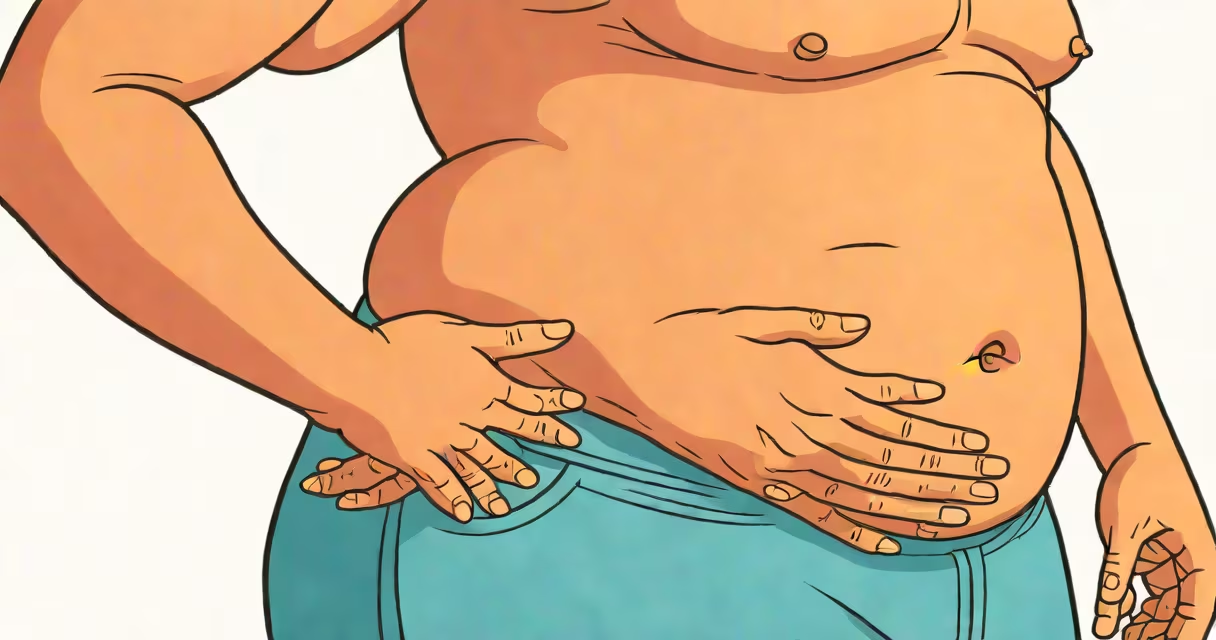
Upper abdominal pain swelling refers to discomfort and visible enlargement in the upper central abdomen, typically between the lower ribs and the navel. It results from trapped gas, inflammation, organ distension, or disrupted digestion. This condition often accompanies bloating, pressure, and a feeling of fullness after eating small amounts.
The upper abdomen houses the stomach, liver, pancreas, and parts of the duodenum. When any of these organs become irritated or distended, pain and swelling may occur. Common triggers include overeating, carbonated drinks, food intolerances, or gastrointestinal motility disorders like gastroparesis. The sensation is usually dull or sharp, localized, and may worsen after meals.
Unlike lower abdominal swelling caused by bowel issues, upper abdominal swelling tends to correlate with meal timing and digestive function. It's distinct from muscle strain or skin-related swelling. Persistent upper abdominal pain swelling requires evaluation to rule out serious conditions such as peptic ulcers, gallstones, or pancreatic inflammation.
How It Works: The Body's Response to Distension
When the stomach fills with food, fluid, or gas, stretch receptors in the gastric wall send signals to the brain via the vagus nerve. If the stomach empties slowly or produces excess gas, this feedback loop can trigger pain and visible swelling. The stomach normally empties within 2-4 hours after a meal. Delayed emptying-known as gastroparesis-can lead to prolonged bloating and discomfort.
Gas accumulation occurs when swallowed air (from talking while eating or drinking quickly) or bacterial fermentation in the gut produces excess gas. In healthy individuals, gas is expelled through burping or flatulence. But when the process is disrupted, gas builds up in the upper GI tract, causing pressure and visible distension. For example, drinking soda rapidly increases intragastric pressure, leading to immediate bloating.
A study published in Gastroenterology found that 30% of patients with chronic upper abdominal pain reported bloating as a primary symptom, with 60% showing delayed gastric emptying on scintigraphy tests. This confirms that impaired motility is a frequent underlying factor.
Types and Causes of Upper Abdominal Swelling
Several distinct causes underlie upper abdominal pain swelling. The most common are functional (no structural damage), mechanical (physical obstruction), and inflammatory (tissue irritation).
| Type | Common Causes | Key Features |
|---|---|---|
| Functional | IBS (postprandial bloating), functional dyspepsia | No visible abnormalities on imaging; symptoms tied to meals |
| Mechanical | Hiatal hernia, gastric outlet obstruction | Visible bulge, vomiting, inability to pass gas |
| Inflammatory | Gastritis, pancreatitis, cholecystitis | Pain radiates to back; fever or nausea may accompany |
| Metabolic | Diabetes-induced gastroparesis, thyroid dysfunction | Chronic; associated with other systemic symptoms |
Functional causes are the most prevalent. Functional dyspepsia affects about 15% of adults globally, according to the Rome IV criteria. Patients report upper abdominal pain and bloating without evidence of ulcers, tumors, or structural defects on endoscopy or CT scans.
One non-obvious distinction: bloating from gas is often relieved by belching or passing gas. Bloating due to delayed gastric emptying persists even after flatulence. This difference helps clinicians differentiate between gas-related and motility-related causes.
Where and Why It Occurs: Triggers and Risk Factors
Upper abdominal pain swelling frequently follows meals, especially large or fatty ones. Fatty foods slow gastric emptying by stimulating cholecystokinin release, which relaxes the pyloric sphincter and delays stomach emptying. A 2021 study in Alimentary Pharmacology & Therapeutics showed that high-fat meals increased postprandial bloating in 70% of participants with irritable bowel syndrome.
Other common triggers include carbonated beverages, chewing gum (which increases swallowed air), and high-FODMAP foods like onions, garlic, and beans. These ferment in the colon and produce gas, though the swelling may appear in the upper abdomen due to upward migration of gas or altered motility patterns.
I experienced this firsthand during a clinical rotation: a patient with suspected gastroparesis reported severe upper abdominal swelling after eating a single slice of pizza. His stomach remained visibly distended for over four hours. An ultrasound confirmed delayed gastric emptying. After switching to low-residue meals and taking a prokinetic agent, his symptoms resolved within a week.
Common Misconceptions and Confusions
Many people assume upper abdominal swelling is always due to overeating or poor diet. While those factors contribute, they don't explain chronic cases. Some patients delay seeking care because they believe bloating is "just normal." But persistent swelling-especially with weight loss, vomiting, or nighttime pain-requires medical evaluation.
Another misconception is confusing upper abdominal swelling with heart-related pain. Angina can present as tightness in the upper abdomen, mimicking indigestion. However, cardiac pain often radiates to the left arm or jaw and worsens with exertion. Distinguishing between gastrointestinal and cardiac causes is critical. The American Heart Association notes that up to 20% of women with heart attacks report abdominal symptoms first.
Also, upper abdominal swelling is not the same as ascites-the abnormal buildup of fluid in the abdominal cavity. Ascites typically causes lower abdominal distension and is linked to liver disease or cancer. It's diagnosed via ultrasound and paracentesis, not self-assessment.
When to Seek Medical Help
Seek immediate care if upper abdominal pain swelling is accompanied by:
- Unexplained weight loss
- Vomiting bile or blood
- Fever above 38°C (100.4°F)
- Pain that spreads to the back or shoulder
- Difficulty breathing or swallowing
These signs may indicate pancreatitis, a perforated ulcer, or gallbladder disease. A CT scan or endoscopy may be needed to confirm diagnosis. For milder cases, lifestyle changes and over-the-counter remedies can help.
Simple strategies include eating smaller, more frequent meals, avoiding carbonated drinks, and reducing intake of high-FODMAP foods. Over-the-counter simethicone reduces gas bubbles. Probiotics like *Lactobacillus* and *Bifidobacterium* strains have shown modest benefit in reducing bloating in clinical trials.
Understanding upper abdominal pain swelling begins with recognizing its location, timing, and accompanying symptoms. Accurate identification leads to targeted treatment and faster recovery.