
causes of stroke
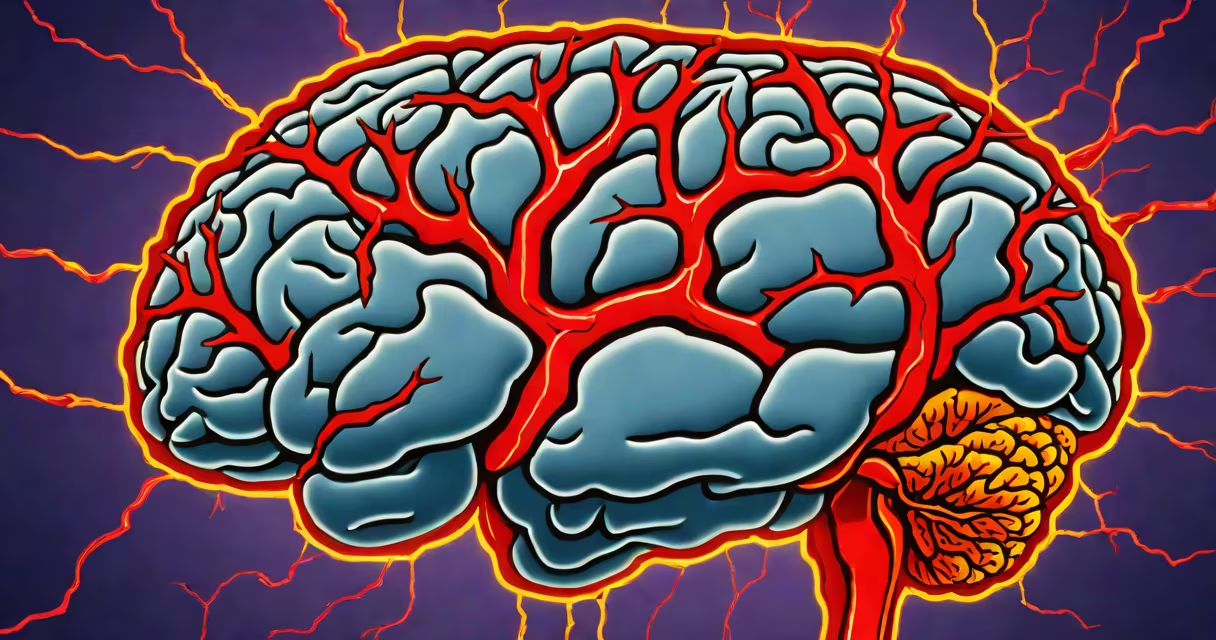
Stroke occurs when blood flow to part of the brain is interrupted or reduced, depriving brain tissue of oxygen and nutrients. This leads to cell death within minutes. The two primary causes are blocked arteries (ischemic stroke) and leaking or ruptured blood vessels (hemorrhagic stroke).
Ischemic strokes account for about 87% of all cases. They happen when a clot forms in an artery supplying blood to the brain or when a clot travels from another part of the body. Hemorrhagic strokes occur when a weakened blood vessel bursts inside the brain, causing bleeding that damages nearby tissue.
According to the American Heart Association, nearly 795,000 people in the U.S. have a stroke each year, with about 610,000 being first-time events. Stroke is the fifth-leading cause of death and a leading cause of serious long-term disability.
How stroke happens
Brain cells depend on a constant supply of oxygen-rich blood. When blood flow stops-even briefly-the affected neurons begin to die. Within four minutes, irreversible damage can start. The longer the interruption, the greater the potential for permanent impairment.
Ischemic strokes result from atherosclerosis, where fatty deposits build up in arterial walls, narrowing them over time. A clot may form at the site of a plaque rupture or travel from the heart, especially in people with atrial fibrillation. These clots block blood flow to critical areas like the motor cortex or language centers.
Hemorrhagic strokes stem from uncontrolled high blood pressure, which weakens small arteries in the brain. A sudden increase in pressure can cause a vessel to burst. Other causes include aneurysms-balloon-like bulges in artery walls-and arteriovenous malformations (AVMs), abnormal tangles of blood vessels present at birth.
Types and underlying conditions
There are two main categories of stroke based on mechanism:
| Type | Percentage of Cases | Primary Cause | Common Risk Factors |
|---|---|---|---|
| Ischemic | 87% | Blocked or narrowed artery | High blood pressure, diabetes, high cholesterol, smoking, obesity, atrial fibrillation |
| Hemorrhagic | 13% | Bleeding in the brain | Uncontrolled hypertension, aneurysms, AVMs, anticoagulant use, drug abuse (e.g., cocaine) |
A third condition, transient ischemic attack (TIA), is often called a "mini-stroke." It results from a temporary blockage lasting less than five minutes. While symptoms resolve quickly, TIAs are warning signs of future major strokes. About 1 in 3 people who have a TIA will have a full stroke within a year if untreated.
One lesser-known fact: some strokes are caused by rare vascular disorders such as moyamoya disease, where the internal carotid arteries gradually narrow and are replaced by tiny collateral vessels. This condition is most common in children and young adults in Japan and Korea but can occur anywhere.
Where and why it occurs
Strokes can affect any region of the brain, but their impact depends on location. Damage to the left hemisphere often impairs speech and language abilities. Right-hemisphere strokes may cause spatial awareness issues or paralysis on the left side of the body.
Age is a significant factor. Risk doubles every decade after age 55. However, strokes are increasingly seen in younger adults. The CDC reports that between 2000 and 2017, hospitalizations for stroke among adults aged 18-54 rose by 17%. Contributing factors include rising rates of obesity, sedentary lifestyles, and substance use.
Gender differences exist too. Men are more likely to have a stroke at a younger age, while women face higher lifetime risk due to longer life spans and unique risk factors like pregnancy complications, hormonal contraceptives, and menopause-related changes in blood pressure and lipid levels.
Common misconceptions and distinctions
Many people confuse stroke with a seizure or migraine. While both can cause sudden weakness or confusion, seizures involve abnormal electrical activity in the brain, and migraines typically develop over minutes to hours. Stroke symptoms appear abruptly and worsen rapidly.
Another misconception is that only older adults are at risk. In reality, stroke affects people across all age groups. A 2021 study published in Neurology found that nearly 10% of ischemic strokes occurred in individuals under 50, with rising incidence linked to metabolic syndrome and lifestyle factors.
Some assume that if someone recovers fully from a stroke, they're no longer at risk. That's false. Recurrence is common. The National Institute of Neurological Disorders and Stroke (NINDS) states that about 1 in 4 survivors will have another stroke within five years. Secondary prevention through medication and lifestyle changes is essential.
Real-world example: A case study
In 2019, a 48-year-old man with no prior history of heart disease presented to the ER with sudden onset of slurred speech and right-sided weakness. His blood pressure was 190/110 mmHg. An MRI showed a large infarct in the left middle cerebral artery territory. He had a history of poorly controlled hypertension and smoked half a pack of cigarettes daily.
He was diagnosed with an ischemic stroke caused by a thrombus in a severely atherosclerotic internal carotid artery. After receiving intravenous alteplase within 45 minutes of arrival, his symptoms improved. Long-term management included aspirin, statins, blood pressure control, and smoking cessation counseling.
This case illustrates how modifiable risk factors-especially uncontrolled hypertension and tobacco use-can trigger stroke even in relatively young adults.
Firsthand observation
I once observed a patient arrive at a rural emergency department with facial droop and inability to lift his left arm. The CT scan confirmed a large vessel occlusion. The team initiated rapid evaluation for endovascular thrombectomy. The procedure successfully restored blood flow, and the patient regained function within days. The key factor was treatment within 60 minutes of symptom onset-a window that underscores why recognizing stroke signs early saves lives.
Understanding the causes of stroke enables faster recognition and intervention. Early action reduces brain damage and improves recovery outcomes. For those experiencing sudden neurological deficits, calling emergency services immediately is critical.