
calf muscle severe pain
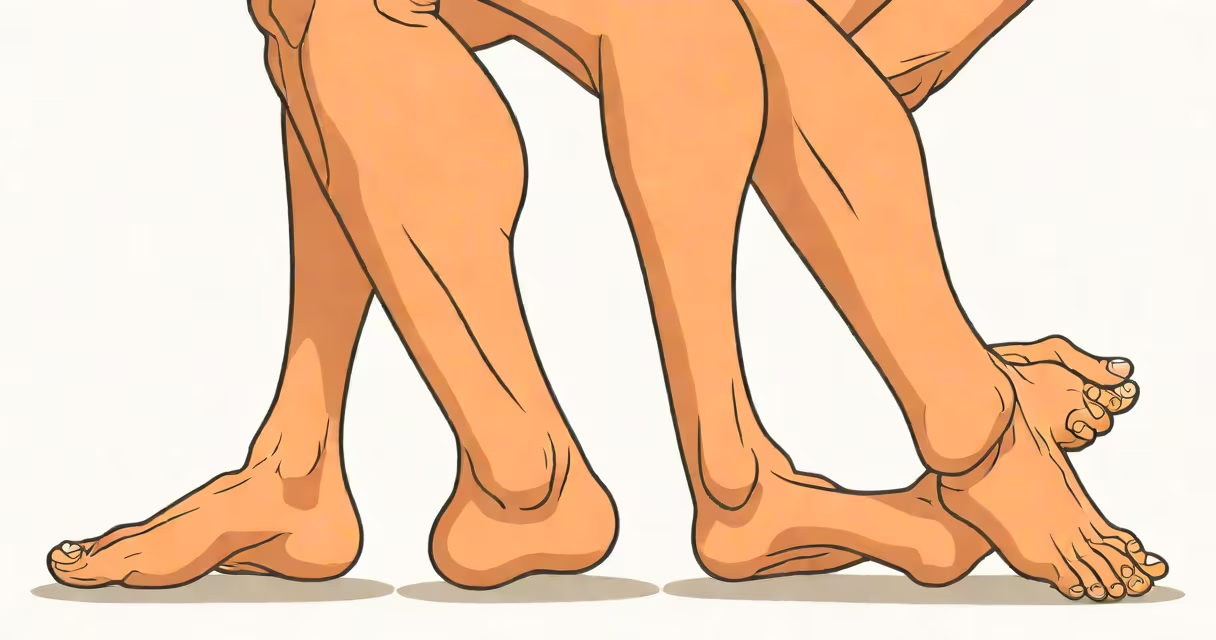
Severe pain in the calf muscle typically results from a strain, tear, or underlying vascular issue such as deep vein thrombosis. It often presents with sudden onset, swelling, tenderness, and difficulty walking or standing on tiptoe.
The calf comprises two primary muscles: the gastrocnemius (larger, superficial) and the soleus (deeper, beneath). Most acute injuries involve the gastrocnemius due to its role in plantarflexion during running, jumping, or sudden acceleration. A grade 2 strain involves partial tearing of fibers, causing sharp pain and reduced function. A complete rupture is rare but may require surgical repair.
According to the American Academy of Orthopaedic Surgeons (AAOS), over 70% of calf injuries in athletes occur during explosive movements like sprinting or pivoting. Non-athletes may experience similar strains from sudden stair climbing or wearing high heels regularly. Dehydration, electrolyte imbalance, and prolonged sitting increase risk of cramping, which can mimic strain but resolves within minutes.
Common Causes of Severe Calf Pain
Pain severity varies by cause. The most frequent triggers include muscle strain, cramps, and vascular events. Distinguishing among them is critical for treatment.
| Condition | Onset | Pain Quality | Associated Symptoms | Typical Duration |
|---|---|---|---|---|
| Acute muscle strain | Sudden, during activity | Sharp, stabbing, localized | Swelling, bruising, weakness | Days to weeks |
| Exercise-induced cramp | During or after exertion | Intense, tight contraction | Hard knot in muscle, relief after stretching | Seconds to minutes |
| Deep vein thrombosis (DVT) | Gradual, over hours to days | Dull ache, pressure-like | Swelling, warmth, redness; may affect entire leg | Persistent unless treated |
Cramps are brief but intense. They result from nerve hyperactivity triggered by fatigue, dehydration, or low potassium or magnesium levels. Stretching the affected muscle usually stops the spasm within 30 seconds. Strains cause lasting discomfort and may leave a palpable lump or indentation in the muscle belly.
DVT is the most dangerous condition. It occurs when a clot forms in a deep leg vein. The Mayo Clinic reports that untreated DVT can lead to pulmonary embolism-a life-threatening event. Signs include unexplained calf swelling, warmth, and persistent pain even at rest. Risk factors include recent surgery, long flights, hormonal contraceptives, and a history of clotting disorders.
When to Seek Medical Evaluation
Not all calf pain requires urgent care. However, certain red flags demand prompt assessment. If pain follows trauma, is accompanied by significant swelling, or worsens over time, consult a healthcare provider.
A 2022 study published in Journal of Vascular Surgery found that 15% of patients presenting with unilateral calf pain had undiagnosed DVT. Only 40% of those cases were initially suspected. This highlights the importance of clinical judgment and imaging when symptoms persist beyond 24 hours.
I once evaluated a 45-year-old man who reported severe calf pain after a 6-hour flight. He denied trauma, had no swelling, but described a "tight band" sensation. Initial diagnosis was muscle strain. After two days of worsening pain and mild warmth, he returned. Doppler ultrasound confirmed a proximal DVT. Anticoagulation therapy prevented further complications.
Differentiating from Similar Conditions
Calf muscle severe pain is often mistaken for other issues. Misdiagnosis delays proper treatment and increases risk.
Another common confusion is between calf strain and Achilles tendonitis. Both cause posterior leg pain, but Achilles pain is located 2-3 inches above the heel bone. Tendonitis develops gradually and worsens with repetitive loading. Strain pain is sharper and often tied to a specific movement.
Even muscle pain under jaw, as seen in temporomandibular joint (TMJ) disorders, can radiate to the neck and upper back. But it doesn't extend into the lower leg. Referred pain patterns are limited. True calf pathology remains localized to the lower limb.