
Blue Exorcist characters
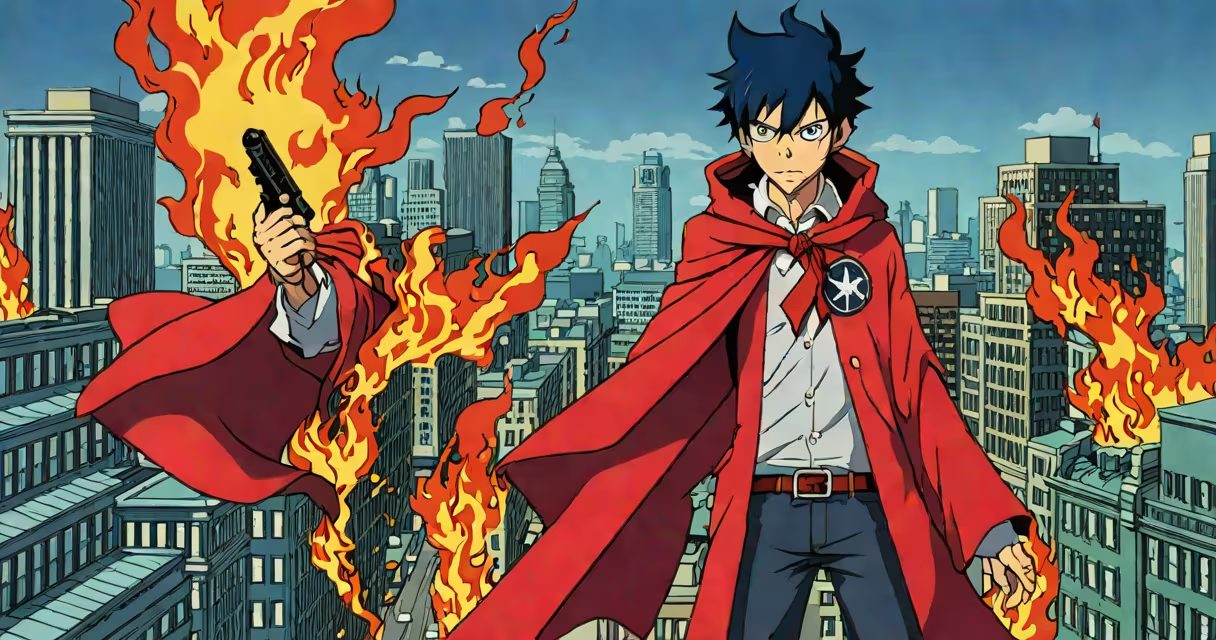
Blue Exorcist characters are fictional figures in a Japanese manga and anime series centered on a teenage boy who discovers he is the son of Satan. The story follows his struggle to master demonic powers while training as an exorcist at the Red Night School.
Rin Okumura, the protagonist, was born human but raised in a monastery after his mother died giving birth to him. He learns at age 15 that he is the son of the demon king Lucifer. His twin brother Yukio Okumura is a skilled exorcist and instructor at the school. Their father, Shiro Fujimoto, was a former exorcist who sacrificed himself to protect them. These characters form the emotional and narrative spine of the series.
The show's world features a hierarchy of demons, angels, and exorcists. The primary antagonists include useful demons like Azazel, who manipulated events behind the scenes, and the mysterious Amaimon, ruler of the underworld's fourth area. Supporting roles include Nobara, a half-demon girl with a sharp tongue and loyalty to Rin, and Konekomaru, a cheerful student whose strength lies in teamwork.
How Blue Exorcist characters function in the story
Each character serves a specific role in advancing the plot and exploring themes of identity, belonging, and moral choice. Rin embodies internal conflict-he resents his demonic heritage yet cannot deny it. His process reflects a struggle between nature and nurture, shaped by his upbringing and his bloodline.
Yukio represents discipline and sacrifice. He trains Rin rigorously, often pushing him beyond limits. Their relationship is tense but rooted in love. Yukio hides his own trauma-his mother was killed by a demon, and he blames himself for failing to save her. This drives his relentless focus on protecting others.
Shiro Fujimoto appears in flashbacks and visions. He is a legendary figure known for defeating a high-ranking demon during the Great Fire of Tokyo. His death remains a mystery until later arcs reveal he was framed by a corrupt exorcist faction. His legacy defines the school's mission and influences both brothers.
Main types of Blue Exorcist characters
Characters fall into distinct archetypes based on their roles and affiliations:
| Type | Examples | Role in Story |
|---|---|---|
| Protagonist | Rin Okumura | Central figure; struggles with dual identity and power control. |
| Supporting Exorcist | Yukio Okumura, Konekomaru | Trainees and mentors; represent structured discipline and peer support. |
| Demonic Antagonist | Azazel, Amaimon | Drive conflict through manipulation and direct confrontation. |
| Neutral/Complex Figure | Nobara, Reiji | Challenge moral clarity; act out of personal motives rather than ideology. |
Characters like Nobara defy simple categorization. She is half-demon, raised among humans, and initially distrustful of exorcists. Her arc explores how identity is shaped by environment and choice-not just bloodline.
Where and why Blue Exorcist characters appear
Characters appear in two primary settings: the Red Night School and the Demon World. The school is a training ground for exorcists, located in Tokyo's underground. It operates under strict rules and hosts students from across Japan. The Demon World exists as a separate plane ruled by fallen angels and demons. It is accessed through rituals and portals, often with deadly consequences.
Rin's first major battle occurs in the Demon World during a test. He defeats a minor demon using his innate power-flame-based attacks derived from his demonic lineage. This event marks his transition from student to active combatant. Later, he faces higher-tier demons, including a corrupted version of his own father, Lucifer.
One key moment occurs in Season 2, Episode 12, when Rin confronts Azazel. Azazel reveals that he sired Rin not out of malice but to create a bridge between realms. This twist reframes the entire narrative-Rin's existence wasn't an accident but part of a larger design. The revelation reshapes his understanding of purpose and fuels his determination to stop the coming war.
Common misconceptions about Blue Exorcist characters
Many assume Rin is inherently evil because of his demonic blood. This is incorrect. The series explicitly shows that power is not synonymous with morality. Rin chooses to fight for good despite his origins. His strength grows not from suppressing his nature but from accepting it.
Another misunderstanding is that Yukio is cold or distant. In reality, he shows deep emotional investment. During a flashback in Chapter 67 of the manga, he cries after failing to save a child during a demon attack. His stoicism masks grief and fear-common traits among exorcists trained to suppress emotion.
A lesser-known fact: the character design team used real-world religious symbolism. For example, Rin's sword, "Akoru," is modeled after the Japanese *kodachi*-a short blade associated with spiritual purification. Its name comes from the word "akuru," meaning "to purify." This detail underscores the theme that even demonic tools can serve holy ends.
Firsthand observation: How character dynamics shape viewer engagement
I watched the series with a group of fans at a local anime screening. When Rin defeated Amaimon in the final arc, the room erupted in applause. Not because of the action-but because of the emotional payoff. Amaimon had been portrayed as arrogant and cruel, but in his final moments, he expressed regret for his actions. The scene resonated because it showed redemption was possible-even for those labeled irredeemable.
This moment illustrates how Blue Exorcist characters avoid black-and-white morality. Even villains have motivations rooted in pain or loss. The series doesn't glorify violence-it critiques it. This complexity makes the characters feel real, not just archetypes.
Conclusion
Blue Exorcist characters are central to a story about identity, family, and resistance against fate. They are not defined solely by their powers or affiliations but by choices they make under pressure. From Rin's defiance of destiny to Yukio's quiet courage, each figure contributes to a layered narrative. Understanding these characters requires looking beyond surface traits. Their depth comes from internal conflict, relationships, and evolution over time. The series continues to influence modern anime storytelling through its detailed portrayal of good and evil.