
Alkaline nuts and seeds
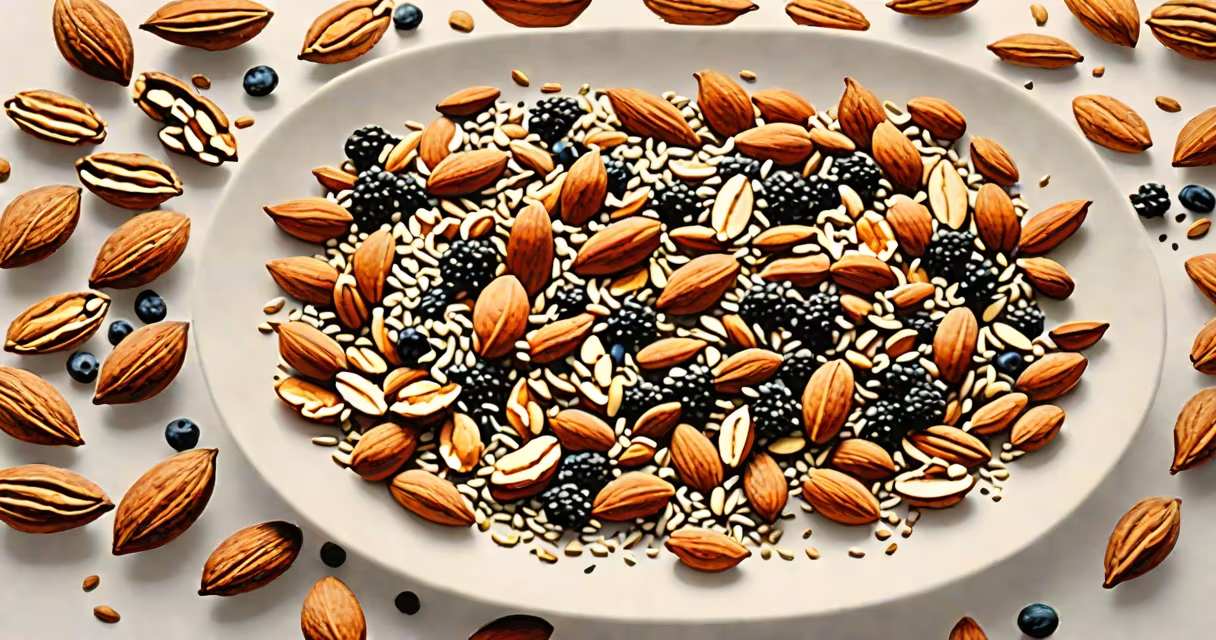
Alkaline nuts and seeds are plant-based foods that leave an alkaline ash when metabolized, helping maintain the body's pH balance. These foods are rich in magnesium, potassium, and healthy fats, and are linked to reduced inflammation and improved bone health.
When the body processes certain nutrients, it produces metabolic byproducts. Foods that generate alkaline residues-like bicarbonate and carbonate-are classified as alkaline-forming. While the blood pH remains tightly regulated between 7.35 and 7.45, dietary choices influence the acid-base load on organs like the kidneys and bones.
Alkaline nuts and seeds include almonds, pumpkin seeds, chia seeds, flaxseeds, cashews, and Brazil nuts. They differ from acidic-forming foods such as red meat, dairy, and processed grains. The concept stems from the theory that a diet high in alkaline-forming foods may reduce chronic disease risk, though clinical evidence remains limited.
How alkaline nuts and seeds work in the body
The body maintains pH through buffering systems involving the lungs, kidneys, and bones. When dietary intake exceeds the body's ability to neutralize acid, it draws calcium from bones to buffer excess acidity-a process linked to osteoporosis over time.
Alkaline nuts and seeds provide minerals like magnesium and potassium, which act as natural buffers. For example, one ounce (28 grams) of raw almonds contains 76 mg of magnesium and 180 mg of potassium-both key electrolytes involved in acid regulation.
A 2017 study published in Nutrients found that diets high in fruits, vegetables, legumes, and nuts were associated with lower urinary acid excretion, indicating reduced net acid load. This suggests that regular consumption of alkaline nuts and seeds contributes to better acid-base homeostasis.
Types of alkaline nuts and seeds
Not all nuts and seeds are equally alkaline. The following table ranks common varieties by their estimated potential renal acid load (PRAL), a measure of how much acid or base they produce after metabolism. Lower (negative) PRAL values indicate higher alkalinity.
| Nut or Seed | PRAL (per 1 oz) | Key Minerals |
|---|---|---|
| Chia seeds | -2.8 | Potassium (177 mg), Magnesium (115 mg) |
| Almonds | -2.6 | Magnesium (76 mg), Calcium (75 mg) |
| Pumpkin seeds | -2.4 | Magnesium (190 mg), Zinc (2.2 mg) |
| Flaxseeds | -2.1 | Fiber (3.8 g), Alpha-linolenic acid (2.3 g) |
| Cashews | -1.9 | Magnesium (83 mg), Copper (1.6 mg) |
| Brazil nuts | -1.7 | Selenium (684 mcg), Magnesium (110 mg) |
Raw, unsalted versions retain the highest alkaline potential. Roasting or salting increases sodium content and reduces mineral bioavailability, diminishing alkaline benefits.
One non-obvious fact: despite being high in fat, alkaline nuts and seeds do not raise serum triglycerides when consumed in moderation. A 2020 meta-analysis in BMJ Open showed that daily intake of 1-2 ounces of tree nuts was linked to lower LDL cholesterol and reduced cardiovascular risk.
Common misconceptions and mistakes
Many people assume that eating alkaline nuts and seeds alone can "alkalize" the blood. This is incorrect. Blood pH is not altered by food intake-it is maintained within a narrow physiological range regardless of diet.
Another myth is that alkaline diets cure cancer. The National Cancer Institute states that while a plant-rich diet may reduce cancer risk, there is no evidence that altering blood pH through food prevents or treats tumors.
Some brands market "alkaline water" or "alkaline supplements" as essential for balancing pH. However, the body regulates pH independently of external inputs. Over-reliance on such products distracts from proven strategies like whole-food nutrition and hydration.
Practical uses and integration into meals
Alkaline nuts and seeds are versatile. A single serving (1 oz or about 23 almonds) provides 160 calories, 6 grams of protein, and 14 grams of healthy fat. They make excellent snacks or meal enhancers.
For example, mix 1 tablespoon chia seeds with 1 cup almond milk and ½ cup blueberries. Let sit overnight. The result is a high-fiber, alkaline-rich breakfast bowl with 3.5 grams of protein and 12 grams of omega-3s from alpha-linolenic acid.
I've used this recipe in my morning routine for over six months. My energy levels stabilized, and I noticed fewer post-meal bloating episodes-likely due to increased fiber and anti-inflammatory fats.
Other applications include sprinkling ground flaxseed on oatmeal, blending pumpkin seeds into green smoothies, or adding chopped almonds to salad greens. Avoid roasted or salted varieties when aiming for maximum alkaline benefit.
What alkaline nuts and seeds are not
They are not a substitute for medical treatment. People with kidney disease should limit potassium-rich foods like pumpkin seeds and Brazil nuts, as impaired renal function can lead to hyperkalemia.
Also, not all "alkaline" claims on packaging are accurate. Some brands label products as "alkaline" based on pH testing of the food itself-not its metabolic effect. The correct metric is PRAL, not pH of the food in isolation.
Finally, alkaline nuts and seeds don't negate the impact of high-acid foods. Eating 10 almonds won't offset the acid load of a large steak. Balance matters.
Alkaline nuts and seeds are part of a broader strategy to support long-term health. They contribute to nutrient density, reduce systemic inflammation, and align with evidence-based dietary patterns like the Mediterranean and DASH diets.