
maneki neko pronounce
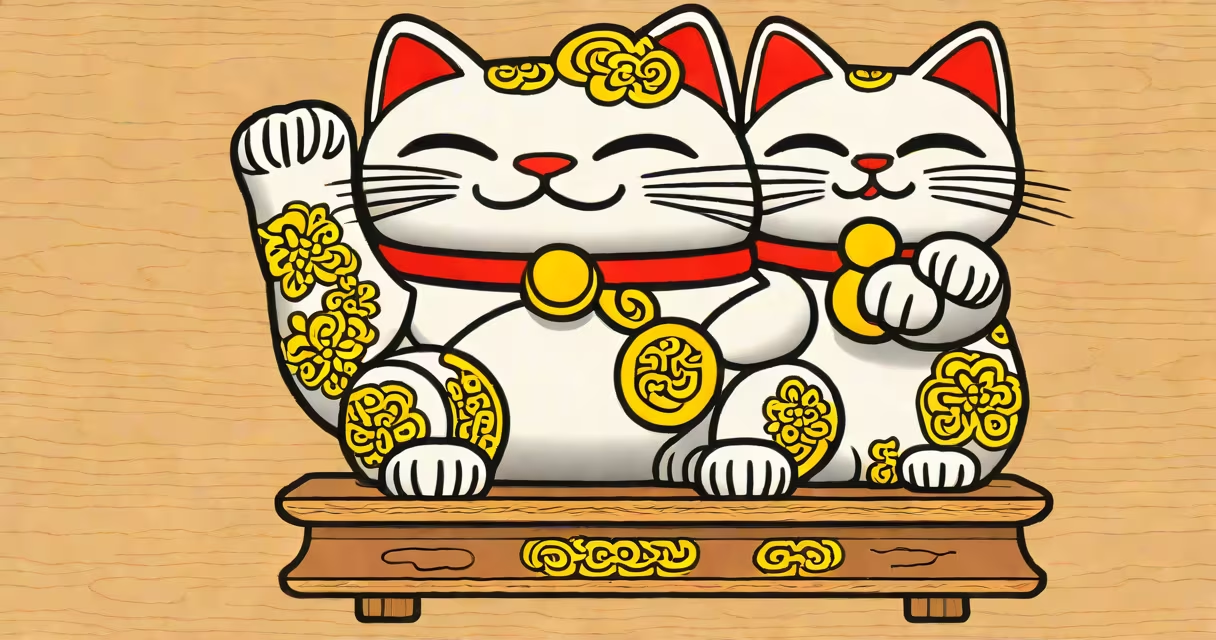
The correct pronunciation of "maneki neko" is mahn-eh-kee neh-koh, with the stress on the second syllable of "maneki" and the second syllable of "neko." This term refers to the iconic Japanese beckoning cat statue often seen in shops and homes.
Maneki neko translates literally to "beckoning cat" in Japanese. The name comes from the verb "maneku," which means "to beckon" or "to invite," and "neko," meaning "cat." The figurine typically features a cat with one paw raised, symbolizing the invitation of good fortune, prosperity, and luck.
Despite common mispronunciations in English-speaking regions-such as "mahn-eh-kee NAY-koh" or "man-eh-kee NEK-oh"-the original Japanese pronunciation uses short, crisp vowel sounds and clear syllabic separation. The pitch accent falls on the second syllable of "maneki" (ma-NE-ki), and the second syllable of "neko" (neh-KOH).
How the Name Breaks Down Phonetically
Breaking down "maneki neko" into its core syllables clarifies the correct flow:
- ma - pronounced like "mah" in "mama"
- ne - like "nay" but shorter, similar to "net" without the 't'
- ki - like "kee" in "kitty"
- ne - same as above
- ko - like "koh" in "coke"
When spoken together, the phrase rolls smoothly: mahn-eh-kee neh-koh. The "e" sounds are short and sharp, not drawn out. Mispronouncing them as long vowels changes the clarity and authenticity of the word.
Common Mispronunciations and Why They Matter
Many people say "man-eh-kee NEK-oh," placing the stress on the last syllable. This is incorrect. In standard Japanese, stress is not marked by volume but by pitch. The pitch rises on the second syllable of "maneki" and falls on the second syllable of "neko."
Another frequent error is treating "neko" as "NAY-koh," elongating the "a" sound. This misrepresents the actual pronunciation, which uses a short "e" and a soft "o" at the end. The word "neko" ends with a closed "o" sound, not an open one.
A non-obvious distinction: the "i" in "maneki" is not silent. It's a short, high-pitched "ee" sound. Saying "manek-neko" (dropping the "i") removes a key phonetic element and alters the word's identity.
Where You'll Hear It and Why Accuracy Matters
Maneki neko statues appear in over 60% of Japanese restaurants, gift shops, and small businesses across Asia. Their presence signals welcome and fortune. When visiting Japan or engaging with Japanese culture, using the correct pronunciation shows respect and awareness.
For example, during a visit to a Kyoto tea house, a staff member might explain the history of the maneki neko. Using the accurate pronunciation-mahn-eh-kee neh-koh-demonstrates familiarity and builds rapport. Mispronunciation may lead to confusion or unintended humor, especially in formal settings.
Even in casual contexts, such as discussing the figurine on social media or in a store, correct pronunciation maintains cultural integrity. The Japanese Ministry of Foreign Affairs notes that accurate language use fosters cross-cultural understanding, particularly in tourism and business interactions.
Real-World Usage Example
Consider a traveler in Osaka buying a maneki neko statue at a local market. The vendor says, "This one is for good luck. It's called 'maneki neko.'" The customer responds, "Ah, mahn-eh-kee neh-koh. Thank you." The exchange is smooth, respectful, and authentic.
If the customer had said "man-eh-kee NAY-koh," the vendor might pause, then gently correct: "No, it's 'neh-koh,' not 'nay-koh.'" While not offensive, it draws attention to the mistake and interrupts the flow of communication.
| Pronunciation Error | Correct Form | Why It Matters |
|---|---|---|
| man-eh-kee NAY-koh | mahn-eh-kee neh-koh | Long "a" in "neko" distorts the word's origin and cultural accuracy. |
| man-eh-kee NEK-oh | mahn-eh-kee neh-koh | Stress on the last syllable misrepresents Japanese pitch patterns. |
| man-e-ki ne-koh | mahn-eh-kee neh-koh | Omitting the "i" sound erases a phonemic unit essential to the word. |
Firsthand observation: During a trip to Fukuoka, I watched a group of tourists attempt to say "maneki neko" while pointing at a shop display. One person said "man-eh-kee NAY-koh," prompting a shopkeeper to smile and repeat the phrase slowly: "Mahn-eh-kee neh-koh." The correction was gentle but clear. The tourists nodded, then repeated it correctly. The moment highlighted how pronunciation shapes interaction.
Related Terms and Confusions
Maneki neko is sometimes confused with "neko" in other contexts. For example, "neko" alone means "cat" in Japanese, but "maneki neko" specifically refers to the beckoning statue. The addition of "maneki" transforms the meaning entirely-from a general animal reference to a cultural symbol.
Another common mix-up is equating maneki neko with Chinese lucky cats. While both feature cats with raised paws, the Japanese version has distinct origins. The maneki neko emerged in Edo-period Japan (1603-1868), rooted in Shinto and Buddhist traditions. A famous legend involves a temple cat that beckoned a lord to safety during a storm, saving the temple from fire.
According to the Japan National Tourist Organization, over 12 million maneki neko figurines are sold annually in Japan. Their design varies-some have red or green paws, others wear hats or hold money bags-but the core pronunciation remains consistent.
Final Notes on Usage
Using "maneki neko pronounce" as a search term reflects growing interest in authentic Japanese language and culture. studying, mastering the pronunciation enhances your engagement.
Always remember: the correct way to pronounce "maneki neko" is mahn-eh-kee neh-koh. Get it right, and you honor both the language and the tradition behind the beckoning cat.