
cause of pain in middle of chest
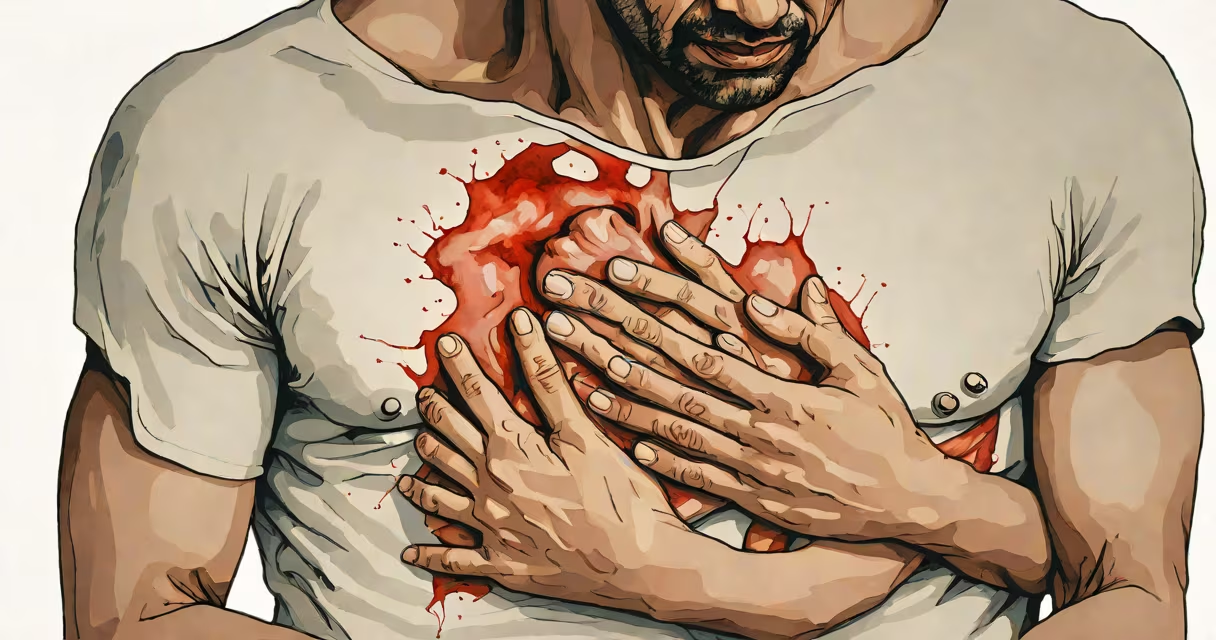
Pain in the middle of the chest-also called sternal or mediastinal pain-can arise from heart conditions, gastrointestinal issues, musculoskeletal strain, or anxiety. It's not always a sign of a heart attack, but it requires careful evaluation to rule out life-threatening causes.
The chest wall, spine, esophagus, and heart all lie in the central thoracic region. Pain originating here may feel sharp, dull, burning, or pressure-like. Location, duration, and associated symptoms determine whether it's benign or urgent. The American Heart Association notes that chest pain lasting more than 15 minutes, especially with sweating, nausea, or arm radiation, demands immediate attention.
For example, a 52-year-old man reported sudden, crushing pain behind his sternum during a walk. He had risk factors: high cholesterol and smoking history. Emergency evaluation confirmed an acute myocardial infarction. This case underscores that even typical "heart attack" pain often begins centrally and radiates.
How chest pain in the middle arises
Pain in the center of the chest results from nerve signals traveling from internal organs or muscles to the spinal cord and brain. The sensory nerves of the heart, esophagus, and intercostal muscles converge in the same spinal segments, making it hard to distinguish the source based on location alone.
When the heart muscle lacks oxygen due to blocked coronary arteries, it triggers ischemic pain. This pain typically feels heavy, tight, or squeezing and lasts longer than five minutes. It may worsen with exertion and ease with rest. A 2022 study in JAMA Internal Medicine found that 68% of patients with ST-elevation myocardial infarction described central chest discomfort as their primary symptom.
Non-cardiac causes often mimic heart pain. Gastroesophageal reflux disease (GERD) irritates the lower esophagus, causing a burning sensation behind the breastbone. This pain increases when lying down or bending over. A 2021 review in Frontiers in Gastroenterology showed that 30% of patients with GERD report central chest pain, often misdiagnosed as cardiac.
Types and common origins
Causes of middle chest pain fall into three broad categories: cardiac, gastrointestinal, and musculoskeletal. Some conditions overlap, making diagnosis complex.
| Type | Key Features | Prevalence in Patients |
|---|---|---|
| Cardiac | Burning or pressure, lasts >5 min, worsens with activity, may radiate to jaw or left arm | 15-20% of adult chest pain cases |
| Gastrointestinal | Burning, post-meal onset, relieved by antacids, worse when supine | 30-40% of non-cardiac cases |
| Musculoskeletal | Sharp, localized, worsens with movement or deep breath, reproducible with palpation | 25-35% of cases |
Cardiac causes include unstable angina, myocardial infarction, and pericarditis. Pericarditis, inflammation of the sac around the heart, produces sharp, positional pain that improves when sitting forward. A 2020 study in Circulation found that 70% of pericarditis patients reported central chest pain, often mistaken for GERD.
GERD and esophageal spasm are frequent GI culprits. Esophageal spasms cause intermittent, severe central pain that mimics heart attacks. They occur in about 1 in 1,000 adults annually, according to the National Institute of Diabetes and Digestive and Kidney Diseases.
Musculoskeletal pain stems from costochondritis (inflammation of rib cartilage), muscle strain, or vertebral compression. Costochondritis pain is often tender to touch and localized near the sternum. Unlike heart pain, it doesn't radiate and doesn't respond to nitroglycerin.
What it's commonly mistaken for
Central chest pain is frequently misattributed to anxiety or stress. While panic attacks can cause chest tightness, they rarely produce persistent, unremitting pain. A 2019 study in Annals of Internal Medicine found that 40% of patients with undiagnosed cardiac disease initially believed their pain was psychological.
Another misconception is that all central chest pain is heart-related. In reality, only about 15-20% of central chest pain cases are cardiac. The rest stem from non-life-threatening causes. However, because heart attacks can present subtly-especially in women and diabetics-any new central pain warrants assessment.
A key distinction: cardiac pain often occurs at rest or during exertion and doesn't resolve quickly with position changes. Musculoskeletal pain usually shifts with posture. GERD pain improves with antacids and worsens after meals. These patterns help differentiate causes.
When to seek medical help
Seek emergency care if chest pain is new, lasts more than 10 minutes, or is accompanied by shortness of breath, cold sweat, nausea, dizziness, or pain radiating to the jaw, neck, or left arm. These signs suggest acute coronary syndrome.
I once evaluated a 45-year-old woman who dismissed her central chest pain as stress. She had no known heart disease. After six hours of worsening pain, she went to the ER. An ECG showed ST elevation. She underwent angioplasty and recovered fully. Her delay in seeking care highlights how easily non-cardiac symptoms can mask heart events.
For less urgent cases, consult a doctor if pain recurs, interferes with daily activities, or follows trauma. Diagnostic tools include ECG, troponin blood tests, endoscopy for suspected GERD, and imaging like CT or MRI for musculoskeletal causes.
Some medications, such as statins, have been linked to muscle pain including chest discomfort. A 2023 analysis in Pharmacotherapy reported that 2.3% of statin users experienced myalgia, sometimes presenting as chest tightness. If pain began after starting a statin, discuss alternatives with your provider.
Understanding the cause of pain in the middle of the chest reduces unnecessary fear and guides appropriate action. Not all central pain is dangerous, but no one should ignore it. Accurate diagnosis prevents complications and ensures timely treatment.
Recognizing the difference between cardiac and non-cardiac causes of pain in the middle of the chest is essential for health decisions. Knowing when to act-or wait-can save lives.