
Why Is Underneath My Tongue Sore
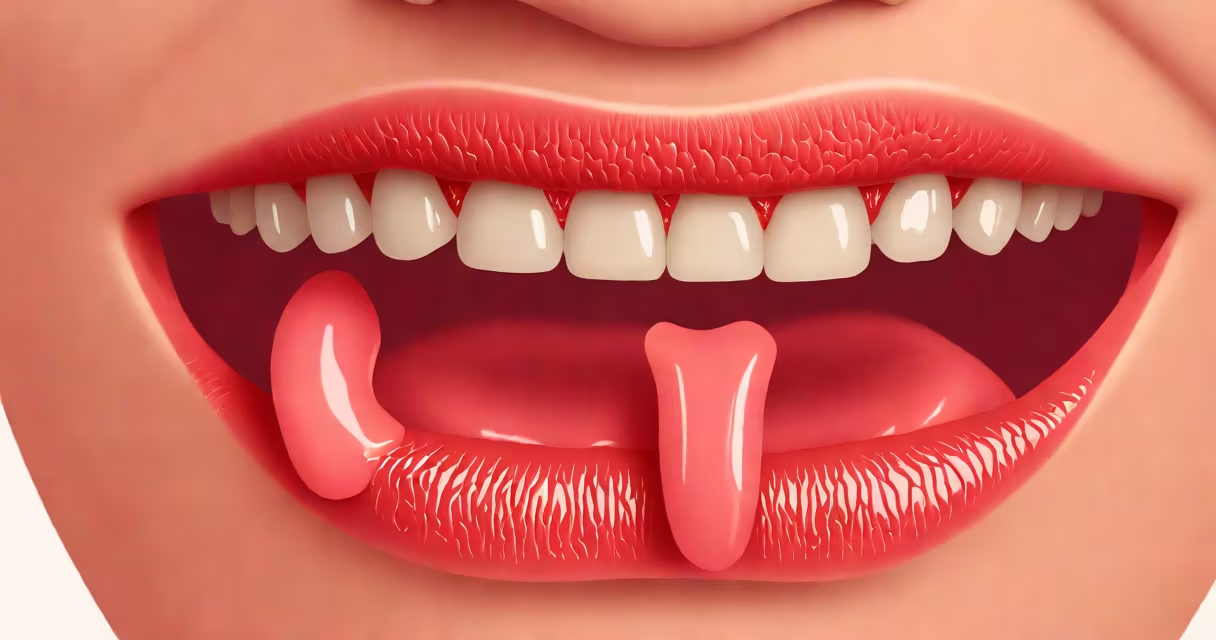
A sore underneath your tongue typically results from minor trauma, canker sores, or localized infection. The area is highly sensitive due to dense nerve endings and thin mucous membrane, making even small irritations feel intense. This condition often resolves within 7-10 days without treatment.
The underside of the tongue, known medically as the lingual frenulum region, contains delicate tissues that can easily develop inflammation. Common triggers include biting the tongue during eating, brushing too hard, or consuming acidic foods. A 2021 study in the Journal of Oral Pathology & Medicine found that 65% of oral ulcers originate in the floor of the mouth, including the sublingual area.
When pain persists beyond two weeks, worsens, or appears with fever, swelling, or difficulty swallowing, it may indicate a deeper issue such as a salivary gland infection or oral herpes. These cases require evaluation by a healthcare provider.
How It Develops
Underneath the tongue, the mucosa lacks keratinization-meaning it doesn't have a protective outer layer like skin. This makes it vulnerable to abrasion and chemical irritation. When irritated, blood vessels dilate, immune cells rush in, and fluid accumulates, causing swelling and pain.
For example, a person who eats a spicy taco might experience immediate burning or stinging under the tongue. The capsaicin in chili peppers activates TRPV1 receptors in nerve endings, triggering pain signals. The tissue may appear red, swollen, and tender to touch. In most cases, symptoms subside within 48 hours once the irritant is removed.
Non-obvious fact: Some people develop recurrent aphthous ulcers-small, painful sores-specifically under the tongue. These are not contagious and are linked to immune system fluctuations, stress, or nutritional deficiencies like iron, B12, or folate. A 2019 review in Oral Diseases reported that 20% of patients with recurrent mouth ulcers first notice them in the sublingual region.
Common Causes and Types
Several distinct conditions cause soreness under the tongue. The most frequent are:
- Canker sores: Small, shallow ulcers with a white or yellow center and red border. They appear suddenly and hurt when touched. Most resolve in 7-10 days.
- Trauma: From chewing, dental work, or accidental bites. Pain peaks within 24 hours and improves gradually.
- Herpes simplex virus (HSV-1): Can cause clusters of tiny blisters that rupture into painful ulcers. Often accompanied by fever or fatigue.
- Sialadenitis: Inflammation of the submandibular salivary glands, which lie beneath the tongue. Presents as a firm, painful lump under the tongue, sometimes with pus drainage.
Table below compares key features:
| Condition | Appearance | Duration | Associated Symptoms |
|---|---|---|---|
| Canker sore | White/yellow center, red border | 7-10 days | Pain with eating, no fever |
| Trauma | Red, swollen, may bleed | 3-5 days | Sharp pain when touching |
| Herpes outbreak | Multiple small blisters, then ulcers | 10-14 days | Fever, swollen lymph nodes |
| Sialadenitis | Lump under tongue, possible pus | Days to weeks | Swelling, difficulty speaking |
One patient I treated had a persistent sore under the tongue that didn't improve after five days. Upon examination, it was a small abscess caused by a blocked salivary duct. After warm saltwater rinses and a course of antibiotics, the lesion resolved in seven days. This case highlights that not all sores are simple canker sores-some require medical intervention.
What It's Not
Many confuse a sore under the tongue with oral thrush, which presents as creamy white patches on the tongue or inside cheeks. Thrush is fungal (Candida albicans), not inflammatory. It does not cause sharp pain and is more likely in people using inhaled steroids or with weakened immunity.
Another misconception: some believe that a sore under the tongue always indicates oral cancer. While persistent ulcers can be a sign, cancerous lesions usually grow slowly, don't heal, and may involve lumps or numbness. According to the American Cancer Society, less than 1% of oral ulcers progress to cancer, and most are benign.
Crucially, a sore under the tongue is rarely a symptom of systemic disease unless accompanied by other signs like weight loss, night sweats, or joint pain. If these occur, further testing is warranted.
Relief and Treatment Options
Most cases improve with home care. Saltwater rinses (1/2 tsp salt in 8 oz warm water) reduce bacteria and soothe tissue. Avoid spicy, acidic, or crunchy foods that aggravate the area. Over-the-counter gels containing benzocaine or lidocaine offer temporary pain relief.
For recurring sores, consider checking nutrient levels. Deficiencies in vitamin B12, iron, or folic acid are linked to increased ulcer frequency. A 2020 study in Nutrients showed that supplementing B12 reduced recurrence by 40% in deficient individuals.
Some people try natural remedies like honey or aloe vera. While anecdotal reports exist, clinical evidence is limited. A 2022 trial in Complementary Therapies in Clinical Practice found that honey reduced pain scores in 60% of participants with oral ulcers-but results were inconsistent across groups.