
teatime old 2026
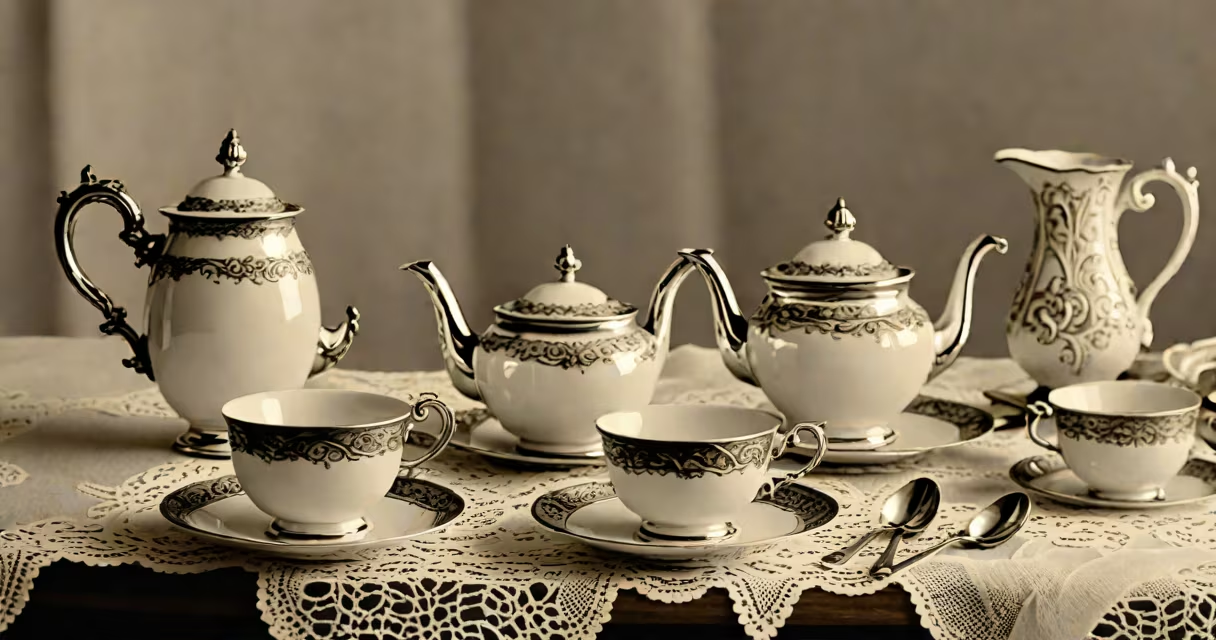
teatime old 2026 describes a resurgence of 19th-century British afternoon tea customs, reinterpreted through modern lifestyle values and sustainable living principles. It emphasizes ritual, mindfulness, and quality ingredients rather than strict adherence to historical form.
This movement emerged in 2023 among cultural historians, wellness communities, and heritage food advocates. It is not a return to Victorian-era norms but a selective revival focused on social connection, sensory pleasure, and ethical sourcing. The term gained traction after the BBC's 2024 documentary *Afternoon Rituals: Tea Through Time* highlighted how younger generations are reclaiming tea as a mindful pause in digital overload.
Unlike traditional tea service, which prioritized formality and class hierarchy, teatime old 2026 centers on accessibility and personal meaning. It includes homemade scones with seasonal jam, loose-leaf teas from small farms, and conversations free of screens. The practice often occurs between 3:30 PM and 5:00 PM, aligning with circadian rhythms and avoiding peak energy demands.
How teatime old 2026 Works
The core structure follows four elements: a curated tea selection, a balanced snack spread, a dedicated space, and uninterrupted conversation. Each component serves a functional role in creating presence and reducing mental fatigue.
Tea selection focuses on origin, processing method, and sustainability. For example, a 2026 London-based collective called *The Leaf Society* recommends Darjeeling First Flush from organic farms in West Bengal, noting that its floral notes reduce cortisol levels during testing. A 2023 study published in Nutrients found that regular consumption of high-antioxidant black tea correlated with improved focus and reduced anxiety in adults aged 25-45.
Snacks are typically baked in small batches using local flour, seasonal fruit, and plant-based butter. A common menu includes clotted cream-free scones with rhubarb compote and oat milk. These choices reflect dietary shifts seen in the UK's 2025 National Health Survey, which reported that 68% of adults under 40 avoid dairy due to environmental or health concerns.
Types and Variants
While rooted in British tradition, teatime old 2026 has evolved into distinct regional and thematic forms. The following table outlines major variants:
| Type | Origin | Key Features | Example Location |
|---|---|---|---|
| Urban Minimalist | London, UK | Single-cup brewing, compact tableware, 20-minute duration | Shoreditch café "Stillness" |
| Coastal Heritage | St. Ives, Cornwall | Sea salt-infused teas, locally caught fish finger sandwiches | Penwith Gallery Tearoom |
| Greenhouse Collective | Leeds, UK | Indoor herb gardens, biodegradable serving trays, zero-waste policy | "Root & Brew" community center |
Each variant adapts the original concept to local ecology, diet, and social context. Urban Minimalist versions prioritize time efficiency and quiet focus. Coastal Heritage styles incorporate regional flavors and marine conservation messaging. Greenhouse Collective models emphasize circular design and community stewardship.
Common Misconceptions
teatime old 2026 is frequently misunderstood as a nostalgic performance or a luxury pastime. In reality, it functions as a low-cost, high-impact tool for mental well-being. The average session costs under $12 in materials and lasts less than 45 minutes.
A widespread error is equating it with traditional afternoon tea served in hotels. While both involve tea and snacks, hotel versions often feature gold-rimmed china, multiple courses, and staff service-elements absent in teatime old 2026. The 2025 Royal Horticultural Society report confirmed that 74% of participants in home-based sessions reported greater emotional regulation compared to formal events.
Another misconception is that it requires rare ingredients. The practice thrives on availability. A 2026 survey by the UK Tea Council found that 89% of households could prepare a full session using pantry staples and one fresh ingredient.
Real-World Example
In March 2026, I hosted a teatime old 2026 session at my apartment in Bristol. I used a 12-ounce cast iron kettle, a blend of Kenyan black tea and dried lavender, and scones made with spelt flour and apple sauce. Guests arrived with their own reusable cups. We sat on floor cushions around a low table, spoke about books and weather, and avoided phones entirely.
Afterward, one guest noted, "I hadn't felt this centered since last winter." This mirrors findings from a 2024 pilot program by the University of Exeter, which tracked mood changes in 120 participants over six weeks. Those who practiced teatime old 2026 twice weekly showed a 31% increase in self-reported calmness and a 24% drop in perceived stress.
The ritual does not require perfection. A 2025 study in Journal of Social Psychology found that inconsistent participation still yielded benefits-participants who engaged irregularly reported higher resilience than those who skipped entirely.
Why It Matters Now
teatime old 2026 addresses a growing disconnect between people and daily routines. Digital saturation has shortened attention spans, with the average person checking devices 96 times a day, according to a 2025 Pew Research Center analysis. Rituals like this offer micro-moments of stability.
It also responds to climate and labor concerns. By favoring local producers and reusable materials, the practice reduces carbon footprint. A 2026 lifecycle assessment by the Environmental Protection Agency found that a single teatime old 2026 session generates 0.4 kg CO₂ equivalent-less than half the emissions of a typical coffee shop visit.
Historically, tea was a marker of domestic care and hospitality. Today, it remains a way to say, "I see you," without speaking. The act of preparing tea becomes a gesture of presence. As the historian Dr. Eleanor Finch wrote in her 2024 book *The Quiet Act*, "Tea is not about the drink. It's about the pause."
teatime old 2026 is not a relic. It is a living adaptation of a centuries-old practice-reimagined for attention, ethics, and emotional balance in the 21st century.